

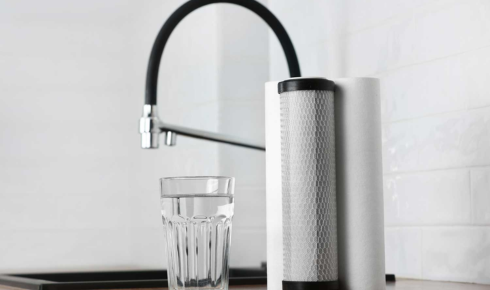
Water is one of those everyday things we don’t think about much until it starts acting a little strange. A glass tastes slightly metallic. The shower leaves skin feeling tight. The kettle keeps collecting chalky buildup. Or maybe the water looks perfectly clear, but somehow tea and coffee never taste quite right. It is usually not one big dramatic problem. More often, it’s a collection of small irritations that slowly become normal.
And that’s the thing about household water issues. People adapt. They buy bottled water. They scrub fixtures more often. They replace appliances sooner than expected and blame the machine. They add lemon to drinking water or avoid using tap water for cooking. But in many homes, these habits are signs that the water itself deserves a closer look.
Why One-Size-Fits-All Rarely Works
Every home has its own water story. City water is different from well water. A newer home may have different plumbing conditions than an older property down the road. Even two houses in the same neighbourhood can have different concerns depending on pipes, usage, pressure, and local supply conditions.
That is why generic advice can be frustrating. A simple pitcher filter may help one family, while another needs something more complete. A softener may solve scale issues, but it may not improve taste. A drinking water system might make the kitchen tap better, but the bathroom and laundry room still have the same problems. Good water treatment starts with understanding the actual issue, not guessing from a product label.
The Value of a Tailored Approach
The best results often come from custom filtration solutions designed around the home’s real water conditions. That sounds technical, but the idea is simple. First, test the water. Then identify what needs attention. After that, choose the right combination of treatment methods instead of buying something based on a vague promise.
Some homes may need sediment removal. Others may need help with chlorine taste, odour, hardness, iron, or mineral buildup. In certain cases, a layered system works better than a single filter. The goal is not to install the most complicated setup possible. It is to install the right one.
What Homeowners Usually Notice First
Most people don’t begin by saying, “I need water treatment.” They begin with a complaint. The dishes look cloudy. The laundry feels rough. The shower smells odd when it first turns on. The coffee tastes bitter. The tap water is technically drinkable, but nobody really wants to drink it.
These are practical concerns, and they matter. Water touches nearly every routine in the home. It affects cooking, cleaning, bathing, laundry, appliances, plumbing, and the simple pleasure of drinking a cold glass of water without hesitation. When water improves, daily life tends to feel a bit easier.
Residential Systems Should Be Practical
A good residential water treatment setup should fit how people actually live. Busy families do not want equipment that requires constant attention. Homeowners do not want confusing controls or maintenance schedules that feel like homework. A reliable system should work quietly in the background while still being easy enough to care for.
That means choosing equipment based not only on performance, but also on convenience, maintenance, household size, and long-term cost. The best solution is the one people can live with comfortably for years, not just the one that sounds impressive during a sales pitch.
Where Carbon Makes a Difference
For many households, taste and odour are the first concerns. Water may have a chlorine smell, a flat taste, or a slight chemical edge that makes people reach for bottled water. In those situations, carbon filtration can be a useful part of the solution because it is commonly used to reduce unpleasant tastes and smells.
It is especially helpful for improving everyday drinking and cooking water. Tea may taste smoother. Ice cubes may stop carrying that odd tap-water flavour. Soups, pasta, and coffee can feel cleaner and more natural. These changes are subtle, but once people notice them, they rarely want to go back.
Testing Before Treatment Saves Trouble
Water testing is the step that too many homeowners skip. It feels easier to buy a filter and hope for the best. But without testing, there is no clear way to know whether the product is solving the right problem.
A proper test can reveal hardness, chlorine, iron, sediment, pH concerns, or other issues depending on the water source. For well water, testing is even more important because local conditions can vary widely. Once the results are clear, decisions become more sensible. You stop chasing symptoms and start fixing causes.
Maintenance Keeps the Benefits Going
Even the best system needs basic care. Filters need replacing. Media may need servicing. Softener salt may need checking if a softening system is involved. It’s not glamorous, but maintenance is what keeps performance steady.
A neglected system can slowly become less effective. The water may still flow, the equipment may still look fine, but the benefits can fade. A simple maintenance schedule helps protect the investment and keeps the water consistent over time.
Choosing with Confidence
The right provider should explain options clearly. No scare tactics. No confusing jargon. No pushing equipment that does not match the test results. Homeowners should feel informed, not pressured.
Better water is not just about taste, although taste matters. It is about comfort, trust, appliance care, and making the home feel a little more dependable. Clean, well-treated water supports everyday life in quiet ways — softer showers, fresher drinks, easier cleaning, and fewer little frustrations around the house.
In the end, water treatment is not about buying the biggest system or the trendiest product. It is about choosing what fits. When the solution matches the home, the water improves in ways people can actually feel. And honestly, that is the kind of upgrade that keeps proving its value every single day.

