

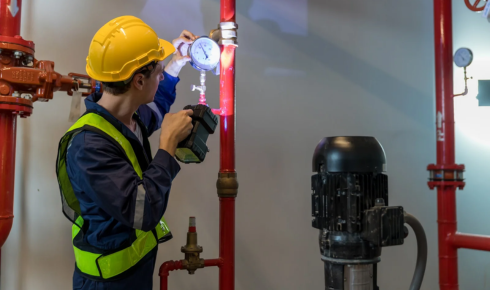
A water treatment system can look impressive sitting in a garage, utility room, or basement. Tanks, filters, valves, neat pipes, maybe a little display screen glowing quietly. It feels like the hard part is choosing the equipment. But honestly, that’s only part of the story.
Better water depends on how the system is planned, sized, and installed. A good product in the wrong place, or the wrong size, can become frustrating fast. Low pressure, awkward maintenance, untreated water during heavy use, noisy operation, or leaks — none of that is what homeowners expect when they invest in cleaner water.
So before thinking only about brands and features, it helps to think about the home itself.
Why Installation Quality Matters
Water treatment equipment connects directly to the plumbing that supports everyday life. It affects showers, laundry, drinking water, appliances, and sometimes every faucet in the house. That makes professional installation more than a nice extra. It is a key part of the system’s performance.
A trained installer understands where equipment should go, how water should flow through it, and how to avoid problems later. They check connections, pressure, drainage, bypass valves, and service access. These are not glamorous details, but they are the details that keep the system working properly after the first week.
A clean installation also gives homeowners confidence. You can see when a job has been done with care.
The Problem With Guessing System Size
One of the easiest mistakes is choosing equipment that is too small or unnecessarily large. Too small, and it may not treat enough water during busy times. Too large, and you may pay for capacity you don’t really need. Neither option is ideal.
Good system sizing looks at household water use, number of bathrooms, family size, water test results, flow rate, hardness level, and the type of treatment required. A home with two people and one bathroom will not have the same needs as a large family with multiple showers running in the morning.
Sizing also affects maintenance. Filters, softeners, and treatment tanks should be matched to real usage, not rough guessing. When sizing is right, the system works more smoothly and lasts longer between service needs.
Every Home Has Its Own Plumbing Story
No two houses are exactly the same. Some have easy access to the main water line. Others have tight utility closets, older pipes, unusual layouts, crawl spaces, outdoor equipment areas, or plumbing that has been changed several times over the years.
Understanding the home water layout helps decide where equipment should be placed and how it should connect. The installer needs to think about water entry points, drain access, electrical needs, filter-change clearance, and how the homeowner will reach the system later.
A system should not be installed in a spot that makes routine maintenance miserable. If changing a filter means crawling behind boxes or fighting with a cramped corner, it probably was not planned well.
Testing Should Guide the Whole Plan
Before any system is installed, water testing should guide the decision. Hard water, iron, sediment, chlorine, sulfur odour, low pH, high dissolved solids, or bacteria concerns all require different approaches. Some homes need one system; others need multiple treatment stages.
Installing equipment without testing is like prescribing glasses without an eye exam. You might get lucky, but you might not.
A good provider should explain what the test results show and why a particular system makes sense. Homeowners should understand what problem is being treated, what results to expect, and what the system cannot do. That honesty prevents disappointment.
Good Installation Makes Maintenance Easier
Water systems need care. Filters may need replacement. Softener salt may need refilling. UV lamps may need changing. Some media tanks need periodic service. Reverse osmosis systems have cartridges and membranes that must be maintained.
The easier the system is to access, the more likely maintenance will happen on time. Clear valves, enough space, labelled components, and a simple explanation from the installer can save a lot of confusion later.
Homeowners should leave the installation knowing the basics. How to shut off or bypass the system. When to call for service. What normal operation looks like. What changes might signal a problem. These small lessons matter.
Why the Cheapest Install Is Not Always Cheaper
It is tempting to choose the lowest installation price. Everyone likes saving money. But a poor installation can lead to leaks, pressure issues, wasted equipment, or service calls that cost more later.
Water damage is not something anyone wants to gamble with. Neither is a system that fails to treat the water properly because it was placed incorrectly or connected in the wrong order.
The better value is usually a thoughtful installation done once, done right, and explained clearly. It may not be the cheapest on paper, but it can save frustration over the long run.
What Homeowners Should Ask Before Installation
A few simple questions can help. Where will the system be installed? How was the size chosen? What maintenance will it need? Will water pressure be affected? Is there a bypass valve? How often do filters need changing? What happens if something leaks or stops working?
A trustworthy installer should answer these without irritation. In fact, good professionals usually welcome questions because they show the homeowner wants to understand the system.
Water treatment should not feel mysterious. It should feel practical.
Better Water Should Fit the Home
The best water system is not just the one with the most features. It is the one that fits the water, the plumbing, and the people who live there. When testing, sizing, layout, and installation all line up, the result feels easy.
The tap water tastes better. Showers feel cleaner. Appliances face less buildup. Filters are simple to service. The system does its job quietly in the background.
That is what homeowners are really buying: not just equipment, but peace of mind. Better water starts with the right plan, and the right plan always respects the home it is going into.

