From the journal · August 23, 2026
A Practical Guide to Managing Yard Waste and Construction Debris
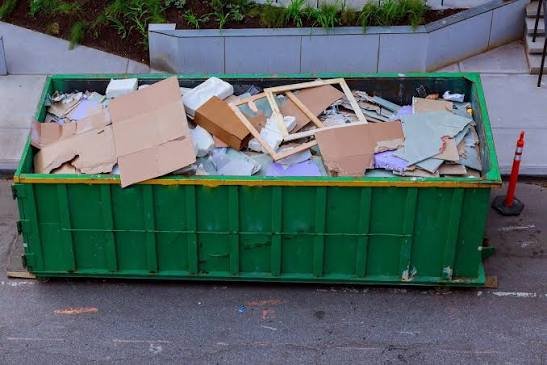
Every big cleanup starts with a little optimism. You trim the trees, clear the garage, tear out an old floor, or start a renovation thinking the waste will be easy enough to handle. Then the piles begin growing. Suddenly, the driveway is full, the backyard looks like a worksite, and the regular trash bin seems almost comically small.
That’s when having a proper waste-disposal plan becomes important. A dumpster can give homeowners, contractors, and property managers one central place to collect unwanted material while the work continues. It saves repeated trips, keeps debris contained, and—perhaps most importantly—helps you see the project as progress rather than one enormous mess.
Related reading: Best Movers in Ampang and Movers in Beranang: Planning a Smooth and Secure Relocation · Better Drinking Water at Home: What Purity, Taste, and Safety Really Mean
When Yard Waste Starts Taking Over
Seasonal yard work can produce far more material than people expect. A weekend of trimming branches might leave you with several piles of limbs, leaves, grass clippings, and other organic material.
Large amounts of yard waste can be especially difficult to manage because bulky branches take up a lot of space even when they aren’t particularly heavy.
Before renting a dumpster for landscaping work, check whether the provider accepts the specific materials you’re planning to discard. Some companies allow certain types of yard debris, while others have restrictions based on local disposal or recycling requirements.
It’s also worth asking whether branches need to be cut to a particular length. A little preparation can help you use the container much more efficiently.
Construction Creates a Different Kind of Cleanup
Renovation and construction projects produce a wide mixture of materials. Old flooring, drywall, lumber, cabinets, cardboard, insulation, fixtures, and packaging can accumulate quickly.
Managing construction debris as you work is generally much easier than leaving everything until the final day. When workers can place waste directly into a nearby dumpster, the jobsite stays more organized and there is less material lying around walkways.
This matters for safety, too. Loose boards with nails, sharp metal, broken drywall, and scattered materials can create unnecessary hazards.
A dumpster doesn’t eliminate the need for regular cleanup, but it gives that cleanup a clear destination.
Choosing the Right Dumpster Size
One of the first things you’ll need to consider is container capacity.
Dumpster sizes are commonly measured in cubic yards. Smaller containers may be suitable for basic household cleanouts, while medium and larger options can handle substantial renovation, landscaping, or construction work.
Don’t choose a size based only on what your waste pile looks like today. Think about everything the project will generate from beginning to end.
For example, removing a kitchen might initially seem like a small job. Then the cabinets come out, flooring is removed, countertops are replaced, and suddenly the amount of debris is much larger than expected.
Why Convenient Dumpster Sizes Matter
Having convenient dumpster sizes available makes it easier to match the container to the actual project.
A small cleanup doesn’t need an enormous container taking up half the driveway. Likewise, a major renovation shouldn’t be squeezed into something that will be full after the first phase of demolition.
If you’re uncertain, explain the project to the rental provider. Mention the type of materials involved, the approximate size of the area, and whether you’re removing bulky items.
A good provider should help you find a practical middle ground. You want enough capacity to avoid a second rental, but not so much that you’re paying for empty space.
Don’t Forget About Weight
Volume is only one part of dumpster planning.
A container full of lightweight branches or cardboard may take up a lot of space without becoming extremely heavy. Concrete, brick, dirt, asphalt, and some roofing materials are very different.
Heavy materials can reach weight limits long before the dumpster looks full.
Before booking, ask about the maximum allowed weight and what happens if your load exceeds it. Some providers charge additional fees, while certain materials may have specific disposal requirements.
Being honest about what you’re throwing away helps the rental company give you better advice.
What Materials Are Usually Accepted?
Accepted materials depend on the dumpster provider and local disposal facility.
Common household and project debris may include wood, furniture, drywall, flooring, cardboard, carpeting, and general renovation waste. Certain types of yard material may also be accepted.
However, hazardous chemicals, batteries, tires, some electronics, paints, and other restricted materials may need specialized disposal.
Don’t guess. Ask for the provider’s prohibited-items list before loading the container.
It’s one of those boring little steps that can save you a lot of trouble later.
Prepare the Dumpster Location
A dumpster needs more room than the container itself might suggest.
The delivery truck must be able to approach, position, and eventually remove it safely. Check for low branches, utility lines, fences, gates, parked vehicles, and narrow driveways.
A stable, level surface is generally best. If you’re placing the container on a public road, investigate local permit requirements before delivery.
Think about convenience for workers, too. If you’re carrying debris from the backyard, basement, or construction area, placing the dumpster reasonably close to the work zone can reduce unnecessary lifting.
Load the Dumpster Efficiently
A little organization can create much more usable space.
Break down cardboard boxes and bulky furniture where practical. Place heavier items toward the bottom and distribute the weight across the container.
Don’t allow material to extend above the fill line. Overloaded containers can be unsafe to transport and may need to be corrected before pickup.
When dealing with branches, cutting large limbs into manageable sections can help you fit more material into the available space. Just make sure the provider’s rules allow the type and size of yard debris you’re disposing of.
Plan Delivery and Pickup Ahead of Time
Timing matters, particularly when you’re working against a contractor’s schedule or trying to finish a project over a weekend.
Ideally, the dumpster should arrive shortly before the work that produces the most waste begins. Ask how long the rental period lasts and what happens if you need extra days.
Pickup should also be clear. Find out whether you need to request removal or whether it is automatically scheduled.
If the project finishes early, contact the provider rather than leaving the container sitting unused.
A Better Cleanup Starts With a Simple Plan
Waste is an unavoidable part of landscaping, renovation, and construction. The goal isn’t to make it disappear magically. It’s to keep it under control.
Choosing the right dumpster size, understanding what materials are accepted, checking weight limits, preparing the delivery area, and loading the container sensibly can make a major difference.
Whether you’re dealing with branches after a major landscaping job or debris from a home renovation, a dumpster gives you a practical way to keep the property organized while the work moves forward.
The project may still be dusty. Your arms may still be tired. And there may still be one mysterious pile of stuff you haven’t decided what to do with.
But when the debris has a proper place to go, the whole job feels a little less overwhelming—and that’s a pretty good place to start.