From the journal · August 26, 2026
A Closer Look at Advanced Reverse Osmosis for Better Drinking Water
Water is one of those everyday essentials we tend to take for granted—until something changes. Maybe the tap water starts tasting a little odd. Perhaps there’s an unfamiliar smell, or you simply find yourself buying bottled water week after week because nobody in the family really enjoys drinking what comes from the faucet.
That routine can get old quickly.
Related reading: Best Movers in Ampang and Movers in Beranang: Planning a Smooth and Secure Relocation · Better Drinking Water at Home: What Purity, Taste, and Safety Really Mean
Cases of bottled water take up space, cost money, and somehow always seem to run out at the worst possible time. For many homeowners, improving the water already available in the house becomes a more practical long-term option. That’s where reverse osmosis, often shortened to RO, enters the conversation.
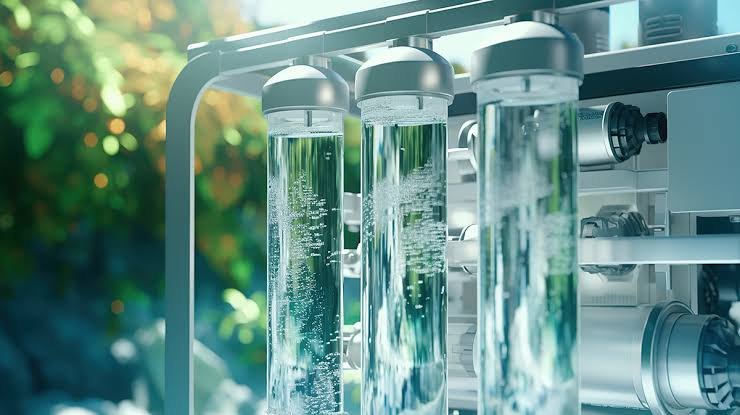
Reverse osmosis isn’t a new idea, but modern systems have become more compact, efficient, and convenient for residential use. An advanced ERO375 Reverse Osmosis System is an example of the kind of multi-stage equipment designed to treat drinking water through a combination of filtration processes. As with any water treatment equipment, actual performance depends on the system specifications, incoming water quality, installation, and proper maintenance.
Still, the basic appeal is easy to understand: people want water they feel good about drinking every day.
Why Homeowners Look Beyond Ordinary Water Filters
Not every water concern requires an advanced treatment system. Sometimes a simple filter is enough to improve certain tastes or odors. But water can contain more than one type of substance, and different treatment technologies are designed to handle different challenges.
That’s why the phrase “water filter” can be a little misleading.
A sediment filter, for example, is mainly intended to capture particles. Carbon filtration may help reduce certain compounds that affect taste and odor. Water softeners address hardness minerals. Reverse osmosis uses a different approach and can help reduce a range of dissolved substances, depending on the system.
In other words, one tool doesn’t necessarily do every job.
Before choosing any treatment equipment, it makes sense to understand the water coming into the home. Testing can provide useful information about characteristics such as hardness, sediment, dissolved substances, and other concerns relevant to the water source.
Once you know what you’re dealing with, choosing a system becomes much less of a guessing game.
How Reverse Osmosis Works in Everyday Terms
The science behind reverse osmosis sounds more complicated than the basic idea.
Water is pushed through a specialized semipermeable membrane. The membrane allows water to pass while helping reject many dissolved substances that are larger or behave differently at the molecular level.
Most residential RO systems use more than just the membrane.
Pre-filters may help remove sediment and reduce substances that could affect the membrane. The water then passes through the reverse osmosis stage, and some systems include additional post-filtration to refine the taste before the water reaches the faucet.
Think of it as a series of checkpoints rather than one single barrier.
Each stage has its own job. Together, they create a treatment process designed to improve the quality of water based on the capabilities of the particular system.
The exact results can vary, which is why it’s always worth checking the manufacturer’s performance information rather than assuming every RO unit removes the same substances.
Taste Is Often the First Thing People Notice
Technical specifications are important, but most homeowners notice something much simpler first.
They take a drink.
Water that previously had an unpleasant taste may become more enjoyable after treatment, depending on what was contributing to the original flavor. Coffee and tea can taste different too, since water makes up most of what’s in the cup.
For many families, the goal is simply to have outstanding drinking water available without constantly opening another bottle from the refrigerator.
There’s a convenience factor that’s hard to ignore.
You can fill a reusable bottle before leaving the house. Make a pot of coffee in the morning. Cook pasta or prepare soup with treated water. It becomes part of the routine rather than another thing to plan for.
And honestly, nobody misses carrying those heavy cases of bottled water from the car.
Water Quality Isn’t Always Something You Can See
One of the tricky things about water is that appearance can be misleading.
Cloudy or discolored water may clearly suggest that something deserves attention, but plenty of dissolved substances cannot be identified by looking at a glass. Clear water can still have characteristics that affect taste or lead a homeowner to consider additional treatment.
That’s where testing becomes valuable.
The appropriate test depends on the water source and the reason for concern. A private well may require different monitoring than a municipal supply. Homes with unusual taste, odor, staining, or changes after flooding may also have specific reasons to investigate further.
The important thing is to avoid panic and avoid guesswork.
A test provides information. Information makes it easier to choose the right treatment technology. And choosing the right technology can prevent homeowners from spending money on equipment that doesn’t actually address their particular concern.
It’s a pretty sensible chain of events.
Designed for Water Used Every Day
When choosing a drinking water system, it helps to think about how that water will actually be used.
A dedicated RO system is generally intended for a point of use, often supplying a kitchen faucet where water is needed for drinking and cooking. This makes sense because not every gallon used in a home needs the same level of treatment.
You don’t necessarily need advanced filtration for watering the garden or flushing a toilet.
Instead, treatment can be focused on water intended for human consumption, including drinking and food preparation. This approach can make residential water treatment more practical by directing the appropriate technology where it is most useful.
For other household concerns, separate equipment may be needed.
Hard water affecting showers and appliances, for example, may require water softening. Sediment throughout the plumbing system may call for a whole-home filter. Some homes use a combination of treatment methods to address different concerns at different points.
There’s no single setup that makes sense for every property.
Installation Details Matter More Than People Expect
A well-designed system still needs to be installed correctly.
Reverse osmosis units are commonly placed beneath a kitchen sink, where they can connect to the incoming water supply and a dedicated faucet. Depending on the design, the system may also use a storage tank and require a connection for wastewater.
Before installation, homeowners should consider the available cabinet space, plumbing layout, water pressure, and access for future maintenance.
This last part is easy to overlook.
A system might fit perfectly into a cabinet, but if changing the filters requires moving cleaning supplies, squeezing around plumbing pipes, and performing a small gymnastics routine, maintenance may become something you keep putting off.
Good installation should make servicing manageable.
For more complex setups or homes with unusual plumbing, professional installation can help ensure that the system is properly connected and operating as intended.
Maintenance Keeps the System Doing Its Job
Like most home equipment, an RO system needs regular care.
Pre-filters and post-filters generally need replacement according to the manufacturer’s recommendations. The membrane also has a limited service life, although its lifespan can vary based on incoming water quality and household usage.
Maintenance isn’t the glamorous part of owning a water filtration system, but it matters.
Before purchasing equipment, ask practical questions. How often are replacement filters needed? What do they cost? Are they easy to obtain? Can you replace them yourself, or is professional service recommended?
A system with an attractive purchase price may become less appealing if replacement parts are difficult to find.
On the other hand, a reliable system with straightforward maintenance can provide a smoother experience for years.
Choosing Technology Based on Your Actual Water
It’s tempting to buy the system with the longest feature list or the most impressive-looking specifications.
But water treatment isn’t really about owning the most complicated equipment.
It’s about solving the right problem.
If your water concerns are limited to taste or a particular substance, a simpler solution may be enough. If testing identifies several issues, a multi-stage treatment approach might make more sense.
The best choice depends on the water source, household needs, available space, and the treatment goals.
Starting with a water test can remove a lot of uncertainty. From there, homeowners can compare systems based on performance claims, certifications, maintenance requirements, and suitability for their particular situation.
Better Drinking Water Can Be a Quiet Everyday Upgrade
Not every worthwhile home improvement is something guests immediately notice.
A new sofa gets compliments. A remodeled kitchen attracts attention. A drinking water system usually sits quietly beneath the sink, doing its job without much fanfare.
But the benefits can show up every day.
You fill a glass without reaching for a plastic bottle. Coffee tastes the way you prefer it. Preparing meals becomes a little more convenient. Reusable water bottles are easier to keep filled and ready.
Those are small things, but small things have a habit of becoming important when they happen every single day.
A properly selected and maintained reverse osmosis system can be a practical addition to a home when its capabilities match the household’s water needs. The key is to understand the water first, choose treatment based on real information, and keep the system properly maintained.
In the end, good water treatment should feel simple.
You turn on the faucet, fill your glass, and move on with your day. No stacks of bottles, no constant second-guessing, and no unnecessary complications.