From the journal · October 29, 2026
Smarter Water Management: Practical Ways to Improve Efficiency and Quality
Water is one of those things we rarely think about until something goes wrong. A sudden drop in pressure, an unexpected leak, or a change in water quality can quickly turn an ordinary day into a frustrating one. For homeowners and businesses alike, managing water well means more than keeping the taps running. It involves understanding how water is used, identifying potential problems early, and choosing equipment that makes everyday life a little easier.
Fortunately, modern water technology offers more ways to monitor, treat, and manage water than ever before. You don’t necessarily need a complicated setup to benefit, either. Sometimes a few sensible changes, supported by the right equipment and professional advice, can make a noticeable difference.
Related reading: Best Movers in Ampang and Movers in Beranang: Planning a Smooth and Secure Relocation · Better Drinking Water at Home: What Purity, Taste, and Safety Really Mean
Why Paying Attention to Water Use Matters
Many water problems develop gradually. A small leak beneath a sink might go unnoticed for weeks. A filtration system may lose effectiveness as its filter becomes clogged. In a commercial building, an unusual change in water consumption could indicate a maintenance issue that hasn’t yet become obvious.
These problems can cost money, waste resources, and create unnecessary stress. The challenge is that water systems often operate quietly in the background, so it’s easy to overlook early warning signs.
Regular inspections and simple habits can help. Checking visible pipes, keeping track of water bills, and following equipment maintenance schedules are useful starting points. If consumption suddenly rises without an obvious explanation, investigating the cause sooner rather than later may prevent a more expensive repair.
Technology can take this a step further by helping property owners understand what’s happening inside their plumbing and treatment equipment.
Using Technology to Spot Problems Earlier
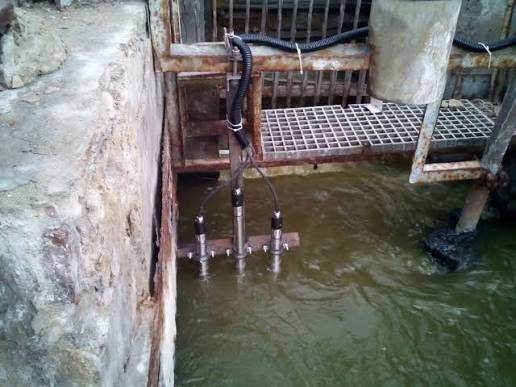
One of the most useful developments in water management is smart water monitoring. Depending on the equipment, these systems can track water flow, detect unusual usage patterns, and alert users to possible leaks or other irregularities.
Imagine leaving home for a weekend and receiving an alert that water is flowing continuously when nobody should be using it. Rather than discovering a soaked floor after returning, you may have an opportunity to investigate the problem much earlier. Some monitoring devices can also work with automatic shutoff valves, allowing the water supply to be stopped when certain conditions are detected.
For businesses, monitoring can provide a clearer picture of consumption throughout a building. A restaurant, for example, may notice unusual overnight usage, while a facility manager might identify a recurring issue with a cooling system or plumbing fixture.
Of course, the capabilities vary by product. Some devices measure flow, others monitor pressure, and more advanced systems may offer remote access through a mobile application. Before investing, consider whether you need basic leak alerts, detailed usage reports, or automatic shutoff functionality.
It’s also worth remembering that monitoring doesn’t automatically improve water quality. It helps identify changes and potential problems, but laboratory testing and appropriate treatment equipment may still be necessary.
Making Water Treatment More Flexible
Not every household or business has the same water requirements. A family may want to reduce hardness and improve drinking water taste, while a temporary worksite might need a practical way to supply treated water without purchasing permanent equipment.
In situations like these, water treatment rentals can offer flexibility. Renting suitable equipment may help businesses, contractors, event organizers, and property managers address a temporary need without making a large upfront investment.
Rental arrangements can vary considerably. Depending on the provider and the application, options may include filtration units, water softeners, reverse osmosis equipment, or specialized systems designed for particular operating conditions. Some providers may also offer delivery, installation, maintenance, and technical support as part of the agreement.
Before signing a rental contract, ask a few straightforward questions. What contaminants or water quality issues is the equipment designed to address? Is installation included? Who handles routine servicing and replacement filters? Are there additional fees for delivery, repairs, or early termination?
The answers matter because a rental system should solve a specific problem, not simply provide equipment that happens to be available. Testing the source water and explaining the intended use will help a provider recommend an appropriate option.
For longer-term requirements, buying may prove more economical. For seasonal operations, short projects, or situations where water demand changes frequently, renting may be the more practical choice.
Why the Same Water System Doesn’t Suit Everyone
It’s tempting to assume that a popular treatment system will work equally well in every property. In reality, water quality can vary substantially, even between neighboring buildings. One home may struggle with mineral deposits, another may have an unpleasant chlorine taste, and a private well may require attention to microbial contamination.
This is where customized solutions become valuable. Rather than recommending equipment based on a general checklist, a qualified water professional can assess the water source, test results, household demand, plumbing arrangement, and specific concerns before suggesting a treatment plan.
For example, a home with hard water might benefit from a water softener to reduce mineral buildup in pipes and appliances. If the drinking water also has a taste or odor issue, a separate point-of-use filter could be appropriate. A property with a private well may need a different combination of filtration and disinfection, depending on what testing reveals.
Commercial applications can be more demanding. Restaurants, offices, manufacturing facilities, and hospitality businesses may have different flow rates, operating schedules, and water quality requirements. Equipment needs to match those conditions to deliver reliable performance.
A tailored approach doesn’t always mean installing more equipment. Sometimes it means choosing one suitable system instead of several unnecessary devices. The goal is to address the real issue while keeping operating costs and maintenance manageable.
Maintenance Is Part of the Investment
Even well-designed systems need attention over time. Filters become clogged, components wear out, and sensors may require inspection or calibration. Ignoring maintenance can reduce performance and make it harder to identify developing problems.
Create a simple maintenance schedule based on the manufacturer’s instructions. Keep records of filter changes, service visits, water test results, and any unusual system behavior. If your equipment includes monitoring alerts, make sure notifications are enabled and someone knows how to respond to them.
It’s also sensible to review your setup whenever circumstances change. A growing family, a new business process, or a renovation may alter water demand enough to justify reassessing the system.
A Better Approach Starts With Better Information
Managing water doesn’t have to be complicated. Start by identifying what matters most: preventing leaks, improving water quality, reducing mineral buildup, or meeting a temporary operational need. From there, compare the available options and pay attention to their actual capabilities, ongoing costs, and maintenance requirements.
Modern monitoring tools can provide useful warnings, rental equipment can offer flexibility, and professionally selected treatment systems can address specific water quality concerns. None is a universal answer, but each can play a valuable role when used for the right purpose.
Ultimately, good water management is about making informed decisions before small problems become bigger ones. With regular checks, reliable equipment, and a clear understanding of your needs, it’s possible to use water more confidently, protect valuable property, and avoid many of the headaches that come with leaving everything until something breaks.