

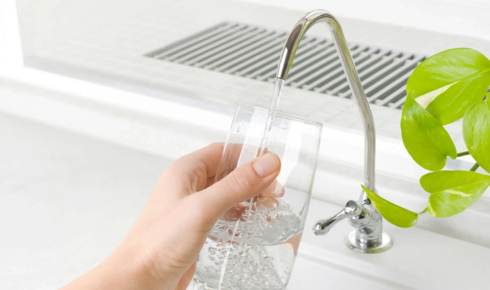
Water is easy to take for granted. It comes out of the tap, fills the kettle, runs through the shower, cleans the dishes, washes the clothes, and quietly supports almost every part of home life. Most of us don’t think much about it unless something tastes strange, smells off, or leaves a mark behind.
But when the water in a home isn’t quite right, you start noticing little things. A glass of water that tastes a bit flat. A shower that leaves skin feeling dry. Spots on dishes. Laundry that doesn’t feel as fresh as it should. None of these problems seem huge on their own, but together they can make a home feel less clean and comfortable than it ought to.
That’s why better water is not just a technical issue. It’s a daily living issue.
Why Water Quality Matters More Than People Realise
Water may look clear and still carry things that affect taste, smell, comfort, and performance around the house. Depending on the source, it can contain minerals, sediment, chlorine, iron, or other unwanted elements. Some are more noticeable than others. Some create stains. Some leave behind buildup. Others simply change the way water feels or tastes.
This is where water quality improvement becomes a practical goal for homeowners. It’s not about chasing some perfect laboratory idea of water. It’s about making the water you use every day better suited for your family, your appliances, and your home.
A good water test can usually reveal what is going on. Without testing, people often guess. They buy bottled water, change detergents, switch shampoos, or scrub fixtures harder. Sometimes those things help a little, but they don’t solve the root problem.
The Signs Your Water May Need Attention
One of the first signs is taste. If tap water has a chemical, metallic, earthy, or stale taste, people naturally drink less of it. That usually means more bottled water, more plastic waste, and more money spent on something the home should ideally provide on its own.
Then there are the visual clues. Cloudy glassware, white scale on faucets, reddish stains near drains, or tiny particles in water can all suggest that the water needs treatment. Bathrooms and kitchens often show the evidence before anyone connects the dots.
Even laundry can tell a story. Towels may feel rough. Clothes may look dull. Soap may not rinse properly. It’s strange how water can make clean things feel not fully clean, but that’s exactly what poor-quality water sometimes does.
Better Water Feels Personal
People often talk about water treatment in terms of systems, filters, cartridges, and plumbing. All of that matters, of course. But the real benefit is more personal than technical.
Healthier water can make everyday routines feel more reassuring. A glass from the tap feels easier to trust. Cooking water tastes cleaner. Kids may drink more water when it tastes fresh. Coffee and tea can taste better too, which sounds small until you realise how many people start their morning that way.
There’s also a comfort side. Showers may feel better when water is properly treated. Skin and hair may feel cleaner after rinsing. Sinks, tubs, and fixtures may stay cleaner longer. These are not dramatic changes like knocking down a wall or remodeling a kitchen, but they show up again and again in ordinary moments.
Why Whole-Home Thinking Makes Sense
Some homeowners start with a pitcher filter or a small faucet attachment. That can be useful for drinking water, but it doesn’t do much for showers, laundry, appliances, or bathroom fixtures. If the water issue affects the whole house, the solution may need to be bigger than one tap.
That’s why home water filtration is often worth considering as a complete home upgrade. A properly selected system can help reduce unwanted contaminants, improve taste, protect plumbing fixtures, and support better water throughout the property.
The right setup depends on what the water test shows. A home with chlorine taste may need a different solution than one with sediment, hardness, iron, or odor issues. This is why a custom approach usually works better than choosing a system based only on price or popularity.
Appliances Benefit Too
Water quality does not just affect people. It affects appliances as well. Dishwashers, washing machines, water heaters, coffee makers, ice makers, and plumbing fixtures all rely on water daily. When that water carries excess minerals or particles, equipment can work harder than it should.
Over time, buildup can reduce efficiency and performance. A water heater may use more energy. A dishwasher may leave more spots. Faucets and showerheads may clog faster. Better water treatment can help reduce these problems and may support longer appliance life when maintained properly.
Choosing a System Without Overcomplicating It
The best starting point is simple: test the water. After that, talk with a knowledgeable water treatment professional who can explain the results clearly. A good recommendation should make sense for the home’s size, water usage, plumbing, and specific concerns.
Maintenance should also be part of the conversation. Filters need replacement. Some systems need salt. Others require occasional service. A great system is not just effective on day one; it should be practical to live with for years.
A Quieter Kind of Home Improvement
Better water may not be the flashiest home upgrade, but it is one of the most useful. You feel it when you drink, cook, shower, clean, and wash clothes. You see it in clearer glasses, fresher laundry, and fixtures that don’t need constant scrubbing.
In the end, improving water quality is really about making home life easier. Cleaner taste, better comfort, fewer frustrations, and more confidence in what comes from the tap — that’s the kind of improvement that quietly earns its place every single day.

