From the journal · August 25, 2026
Building Reliable Water and Wastewater Systems for Every Kind of Property
The Plumbing You Depend On Every Day
Most people don’t give much thought to the plumbing system until something goes wrong. Water comes from the faucet, toilets flush, showers drain, and life carries on without much fuss.
That quiet reliability is exactly what a good plumbing system should provide.
Related reading: Best Movers in Ampang and Movers in Beranang: Planning a Smooth and Secure Relocation · Better Drinking Water at Home: What Purity, Taste, and Safety Really Mean
Behind the walls and beneath the property, however, there’s a network of pipes, connections, wells, tanks, drains, and other components working together. When one part starts failing, the effects can spread quickly.
Whether you own an older home, are building a new property, or are changing from one type of water or wastewater system to another, professional planning matters. The right work can prevent recurring problems and make the entire system easier to maintain.
Recognizing When Water Repairs Are Needed
Plumbing problems don’t always begin with a dramatic leak.
Sometimes the warning sign is weak water pressure. Other times it’s a water bill that suddenly seems too high, a damp spot in the yard, or a faucet that never quite stops dripping.
These symptoms may seem minor, but they shouldn’t automatically be ignored.
Professional water repairs can address issues ranging from leaking pipes and damaged connections to problems with water supply lines and other components. The first step should be finding out what’s actually causing the issue.
That’s important because repairing the visible symptom without addressing the underlying problem can lead to another service call a few weeks or months later.
Why Early Attention Can Save Money
A small plumbing leak may not seem urgent, especially if the water isn’t pouring out.
But hidden leaks can continue for days or even months. Water can travel through walls, flooring, or soil before anyone realizes there’s a problem.
Inside a home, prolonged moisture can damage building materials and create unpleasant odors. Outside, underground leaks may affect landscaping or saturate soil around the property.
Early inspection gives homeowners more choices. Sometimes a simple repair is enough. In other cases, the system may need a more comprehensive solution.
The key is knowing what you’re dealing with before it becomes an emergency.
Plumbing for New Construction
Building a new home or commercial property comes with plenty of decisions. Plumbing is one of the less glamorous ones, but it’s also one of the most important.
Water supply lines, drainage pipes, sewer connections, fixtures, and utility access all need to be planned before construction moves too far along.
Professional new construction hook-ups help connect a property to the appropriate water and wastewater infrastructure while taking site conditions and local requirements into account.
Good planning at this stage can prevent major headaches later. Once driveways, floors, landscaping, and walls are finished, fixing a poorly planned utility connection can become considerably more disruptive.
It’s much easier to get the groundwork right while the site is still being developed.
What Makes New Construction Plumbing Different?
New construction provides an opportunity that older properties don’t always offer: everything can be planned from the beginning.
Professionals can consider future access, maintenance points, pipe placement, water demand, drainage, and the overall layout of the property.
This doesn’t mean every project goes perfectly. Construction sites can be unpredictable, and underground conditions sometimes reveal surprises.
Still, careful coordination between builders, plumbers, utility providers, and property owners can reduce unnecessary delays.
It’s worth asking questions early rather than discovering an issue after the walls are closed.
Understanding Septic and Well Systems
Not every property is connected to municipal water and sewer services.
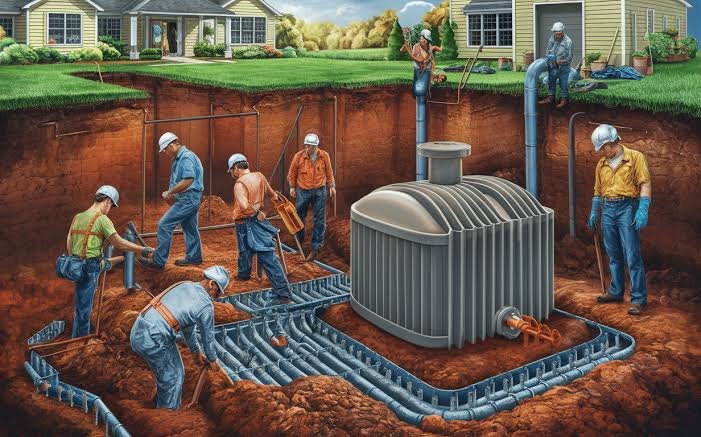
Rural homes and properties outside established utility networks may depend on private wells for water and septic systems for wastewater treatment.
These systems require a different approach to installation and maintenance. A well needs to provide a dependable water supply, while a septic system needs enough capacity and suitable conditions to handle wastewater safely.
When a property changes its utility arrangement, septic and well conversions may become part of the project.
The exact process depends on the existing system, local regulations, property conditions, and the new utility connection being planned. Because these systems involve both plumbing and environmental considerations, professional guidance is especially important.
Signs Your Well or Septic System Needs Attention
Private water and wastewater systems also have warning signs.
For wells, changes in water pressure, unusual odors, cloudy water, or reduced water availability can indicate that the system should be inspected.
With septic systems, slow drains, sewage odors, wet areas around the drain field, and repeated backups deserve attention.
Homeowners should avoid assuming that pumping a septic tank will automatically solve every problem. A recurring issue may involve the drain field, piping, tank components, or another part of the system.
An inspection can help determine what’s really happening.
Choosing the Right Professional
Water, sewer, septic, and well work can involve complicated regulations and property-specific challenges.
Look for licensed and insured professionals who have experience with the kind of project you’re considering. Ask whether they handle inspections, installation, repairs, conversions, and follow-up maintenance.
A trustworthy contractor should explain the project clearly rather than burying you in technical language.
Ask about expected costs, timelines, permits, materials, potential disruptions, and what happens if unexpected conditions are discovered.
You don’t need to know every detail of plumbing to make a good decision. You just need enough information to understand your options.
Maintenance Shouldn’t Be an Afterthought
Once a plumbing or utility project is complete, maintenance still matters.
Regular inspections can help identify leaks, deteriorating components, drainage problems, or changes in system performance before they become major failures.
For private wells and septic systems, following appropriate inspection and maintenance schedules is especially important because the property owner is responsible for much of the system’s upkeep.
Keeping records of repairs and inspections can also help. If a problem returns, knowing what was previously done gives the technician useful information.
A Better Approach to Long-Term Plumbing Reliability
Good plumbing work isn’t simply about fixing today’s problem.
It’s about creating a system that works reliably tomorrow, next year, and ideally for many years after that.
Whether you need a water repair, utility connection for a new property, or a conversion involving a private well and septic system, careful planning can make a significant difference.
The best professionals don’t just arrive with tools and start digging. They inspect, ask questions, explain the situation, and recommend solutions based on the property’s actual needs.
That approach takes a little thought, but it pays off.
After all, the best plumbing system is the one that quietly does its job every day — giving you clean water when you need it, carrying wastewater away safely, and letting you get on with life without constantly wondering what’s happening underneath the property.