From the journal · April 28, 2026
Packing Light, Living Freely: Starting a Digital Nomad Life from India
There’s a certain kind of restlessness that creeps in after a while. Same desk, same commute, same view outside the window. You’re working, earning, doing everything “right”… and still wondering if there’s more to it.
For some people, that thought fades. For others, it turns into action.
Related reading: Self Drive Cars in Goa: Enjoy Ultimate Freedom While Exploring Paradise · When Travel Feels Luxurious Without the Price Tag
That’s where the idea of a digital nomad lifestyle starts—not with a plan, but with a question: What if I didn’t have to stay in one place?
The Idea Sounds Romantic… Because It Is (Partly)
Let’s not pretend—working from a beach in Goa or a café in Himachal sounds amazing. And sometimes, it really is.
But there’s more to it than scenic Instagram photos.
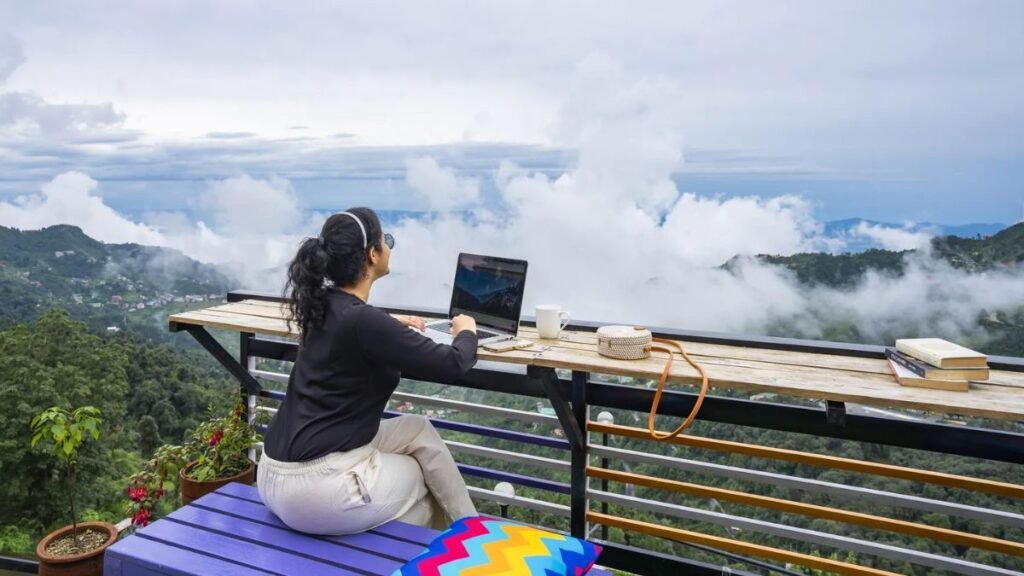
Being a digital nomad means your work isn’t tied to a location. You carry your office with you—usually a laptop, decent internet, and a bit of discipline. The freedom is real, but so is the responsibility.
No fixed routine, no office structure. You create your own system, and sometimes… that’s harder than it looks.
First Things First: What Do You Actually Do?
Before anything else, your work needs to be location-independent.
Freelancing, remote jobs, online businesses—these are the common paths. Writing, design, coding, digital marketing, consulting… the list keeps growing.
If your current job isn’t remote-friendly, you don’t necessarily have to quit overnight. Many people transition slowly—building freelance income on the side, testing the waters before taking the leap.
It’s not about rushing. It’s about preparing.
Money Matters (More Than You Think)
Freedom feels great, but financial stability makes it sustainable.
As a digital nomad, income can be irregular, especially in the beginning. Some months are good, others… not so much. That’s just how it goes.
Having savings helps. Budgeting becomes important. And choosing destinations wisely can make a big difference—living in a smaller town instead of a major city, for example, can stretch your money further.
It’s not about being cheap. It’s about being realistic.
Digital Nomad Lifestyle India se kaise start kare
If you’re starting from India, the process is a mix of planning and flexibility.
First, get your work sorted—something that pays, even if modestly. Then think about your first destination. It doesn’t have to be abroad. In fact, starting within India is often easier.
Places like Rishikesh, Dharamshala, Goa, or even Jaipur offer a balance of connectivity and lifestyle. You get a feel for remote work without the added complexity of visas and international logistics.
Once you’re comfortable, you can explore further—Southeast Asia, Europe, wherever your work and budget allow.
Internet: The Unsung Hero
You can compromise on a lot of things—luxury, space, even weather. But not internet.
Reliable connectivity is non-negotiable. Before moving to a new place, check network coverage, Wi-Fi availability, backup options. Sometimes, having a portable hotspot can save your day.
It sounds basic, but it’s the backbone of everything you do.
Routine Isn’t the Enemy
One common misconception is that digital nomads are always “free.” In reality, most successful nomads follow some kind of routine.
Not rigid, not boring—but structured enough to stay productive.
Maybe you work in the mornings and explore in the evenings. Or batch your work for a few intense days and then take time off. It’s flexible, but intentional.
Without some rhythm, it’s easy to drift—and that can affect both work and mental clarity.
The Lonely Side No One Talks About
Traveling solo sounds exciting—and it is. But it can also get lonely.
You’re constantly moving, meeting new people, saying goodbye, starting over. It’s a cycle. Some people thrive on it. Others find it draining after a while.
That’s why community matters. Co-working spaces, local meetups, even online groups—they help you stay connected.
Because at the end of the day, freedom feels better when it’s shared, even a little.
Growth Happens in Unexpected Ways
One of the underrated aspects of this lifestyle is how much it changes you.
You learn to adapt. To solve problems on the go. To be comfortable with uncertainty.
Things don’t always go as planned—flights get delayed, bookings fall through, work deadlines clash with travel days. But over time, you get better at handling it.
And that growth? It’s hard to measure, but easy to feel.
It’s Not for Everyone—And That’s Okay
Let’s be real. The digital nomad lifestyle isn’t perfect.
It requires discipline, resilience, and a certain tolerance for unpredictability. Some people try it and realize they prefer stability. Others fall in love with it and never look back.
Both are valid.
A Different Way to Define “Home”
Maybe that’s what this lifestyle really challenges—the idea of home.
Instead of a fixed address, home becomes a feeling. A sense of comfort you carry with you, rather than a place you return to.
And once you experience that, even briefly, it changes how you look at everything else.
Not necessarily better. Not necessarily worse.
Just… different.