

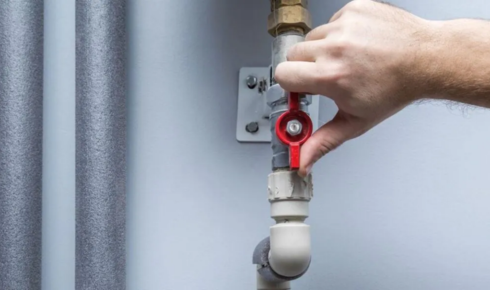
Most homeowners know where the thermostat is. They know which light switch controls the porch, which drawer holds the batteries, and maybe even which cabinet hides the good snacks. But ask where the main water control is, and suddenly things get a little quiet. It’s not because people are careless. It’s just one of those practical home details that doesn’t feel important until water is spraying where water should absolutely not be spraying.
A home’s water system works quietly in the background every day. Showers, dishwashers, washing machines, toilets, outdoor spigots — they all depend on steady water flow. But when something leaks, bursts, or fails, being able to stop that flow quickly can make the difference between a small cleanup and a very expensive mess.
Why Every Homeowner Should Know the Shutoff Location
In a plumbing emergency, speed matters. A leaking supply line under a sink may not seem dramatic at first, but give it twenty minutes and it can soak cabinets, floors, walls, and whatever happens to be stored nearby. A burst pipe is even worse. Water does not wait politely while someone searches around the basement with a flashlight.
That is why knowing the home water shutoff location is so important. It gives homeowners control in a stressful moment. Instead of panicking, they can turn off the supply and limit the damage before calling a plumber. It’s a simple thing, but simple things often matter most when a house is under pressure.
The main shutoff may be in a basement, crawl space, garage, utility room, or near where the water line enters the home. In some properties, especially older ones, it may be harder to find or awkward to reach. That’s worth fixing before an emergency happens.
Old Valves Can Be a Hidden Problem
A shutoff valve is only useful if it actually works. Unfortunately, many homeowners discover too late that the valve is stuck, corroded, leaking, or too weak to fully stop the water. It may have been sitting untouched for years. And plumbing parts, like everything else in a house, age whether we notice them or not.
If a valve feels stiff, turns endlessly, drips when touched, or looks badly rusted, it may be time for valve replacement before a real problem comes along. This is not one of those repairs people get excited about, obviously. No one shows off a new shutoff valve at dinner. But it is the kind of quiet upgrade that protects flooring, drywall, furniture, and peace of mind.
A modern, reliable valve can make future maintenance easier too. If a plumber needs to repair a fixture, replace a water heater, or work on a section of pipe, a working shutoff keeps the job cleaner and safer.
When Access Matters More Than You Think
Sometimes the issue is not the valve itself, but getting to it. Boxes, storage bins, finished walls, landscaping, snow, or overgrown shrubs can make important plumbing points difficult to reach. That may not seem like a big deal during normal life, but during a leak, every minute spent moving things around feels twice as long.
Good water service access means the main control points are visible, reachable, and not blocked by clutter or construction. Inside the home, this might mean keeping a clear path to the shutoff. Outside, it could mean making sure the meter or service area is not buried, covered, or hidden behind heavy objects.
This is especially important for rental properties, older homes, and houses with finished basements where plumbing has been boxed in or covered over. A neat appearance is nice, but access should never be sacrificed completely.
Simple Checks Homeowners Can Do
Once or twice a year, it’s smart to do a quick plumbing access check. Find the main shutoff. Make sure everyone in the home knows where it is. Look for signs of corrosion, dripping, or moisture around the valve. Turn it gently if it is safe to do so, just to confirm it is not frozen in place. If it feels wrong, don’t force it. That’s when a professional should take a look.
It also helps to check smaller shutoffs under sinks, behind toilets, near washing machines, and around water heaters. These little valves can prevent a whole-house shutdown when only one fixture needs repair. But again, they need to be in working condition.
Why Professional Help Is Worth It
Some plumbing checks are easy for homeowners. Others are better left to someone trained, especially when the main supply line is involved. A licensed plumber can inspect the setup, recommend updates, replace failing parts, and make sure the shutoff system works properly.
They can also explain what to do in an emergency, which is surprisingly helpful. In a calm moment, the process seems obvious. In a panic, clear instructions matter.
A Small Step Toward a Safer Home
Water damage is one of the most frustrating problems a homeowner can face because it spreads fast and often creates repair work beyond the original leak. Floors swell. Drywall stains. Cabinets warp. Mold can start if moisture lingers. None of that is pleasant.
The good news is that a little preparation goes a long way. Knowing where the water controls are, keeping them accessible, and making sure the valves work properly can protect the home when something goes wrong. It’s not glamorous maintenance, but it is smart maintenance.
And sometimes, the most valuable part of a home’s plumbing system is not the pipe carrying water in. It’s the one simple control that lets you stop it.

