

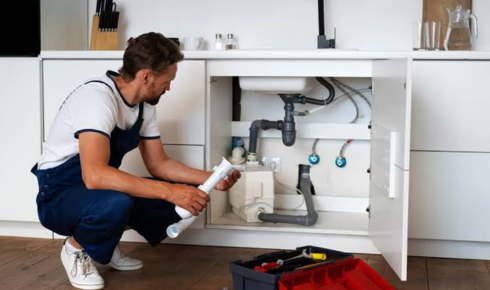
The Everyday Resource We Rarely Think About
Water is one of those things that’s easy to take for granted. It flows from the tap when we need it, fills our coffee mugs in the morning, runs through the washing machine, and helps us wind down with a warm shower at the end of a long day.
Because it’s always there, most of us don’t spend much time thinking about it.
That usually changes when something seems off. Maybe the water has a strange taste. Perhaps dishes come out spotted no matter how carefully they’re washed. Sometimes it’s mineral buildup around faucets or a water heater that doesn’t seem as efficient as it once was.
These small frustrations often point to a larger conversation about water quality. And once homeowners start paying attention, they often realize just how much water influences daily life.
Water Affects More Than Just What You Drink
When people hear the phrase “water quality,” they typically think about drinking water first. That’s understandable, but the reality is much broader.
Water touches almost every corner of a home. It’s used for bathing, cleaning, laundry, cooking, dishwashing, and operating appliances. If the water contains excessive minerals, sediment, or other unwanted elements, those characteristics can affect much more than the taste of a glass of water.
For example, mineral-rich water may leave residue on fixtures and glassware. Over time, buildup can develop inside plumbing systems and household appliances. These effects often happen gradually, making them easy to overlook until the signs become impossible to ignore.
The interesting thing is that improving water quality often enhances dozens of small daily experiences all at once.
Understanding What’s Really in Your Water
Every home’s water supply is unique.
Local geology, municipal treatment processes, aging infrastructure, and even seasonal conditions can influence water quality. Two households located only a few miles apart may experience very different water characteristics.
That’s why water testing is often the best place to start. Rather than guessing what’s affecting your water, a professional analysis can provide a clearer picture.
Once homeowners understand what they’re dealing with, they can make informed decisions about treatment options. It’s a bit like visiting a doctor before choosing medication. Knowing the cause usually leads to better solutions.
The Hidden Impact on Household Appliances
One area where water quality often makes a significant difference is appliance performance.
Water heaters, dishwashers, washing machines, coffee makers, and refrigerators all rely on clean, properly balanced water. When minerals and sediment accumulate inside these systems, efficiency can gradually decline.
Many homeowners choose treatment solutions specifically to protect appliances from the effects of scale buildup and sediment accumulation. While no appliance lasts forever, reducing unnecessary strain can help equipment perform more efficiently over time.
The benefits aren’t always dramatic overnight. Instead, they tend to appear gradually through fewer maintenance issues and more consistent performance.
Sometimes the smartest investments are the ones working quietly behind the scenes.
Why Better Water Can Improve Daily Comfort
One thing homeowners frequently notice after addressing water quality concerns is how many small improvements begin showing up throughout the house.
Showers may feel more refreshing. Soap often rinses away more easily. Glassware can appear cleaner after washing. Even simple tasks like making coffee or cooking pasta may seem slightly more enjoyable.
The goal isn’t perfection. It’s comfort.
Many people install filtration or treatment equipment simply to improve water quality and discover benefits they hadn’t expected. What begins as a practical decision often turns into a noticeable upgrade in everyday living.
These changes don’t necessarily transform a home overnight. They simply make routine experiences a little better, day after day.
And those small improvements tend to add up.
Looking Beyond the Kitchen Sink
For years, point-of-use filters were the most common option for homeowners concerned about water quality. Faucet filters and countertop systems remain popular, especially for drinking water applications.
However, many homeowners eventually realize that water quality affects more than a single tap.
That’s one reason interest in whole house systems has continued to grow. These systems treat water as it enters the home, helping ensure that every faucet, shower, appliance, and fixture benefits from improved water quality.
Rather than addressing one location, whole-house treatment takes a broader approach. For families seeking consistency throughout the home, that comprehensive coverage can be especially appealing.
Water Quality and Long-Term Home Maintenance
Homeownership involves an ongoing balancing act between visible upgrades and hidden maintenance.
Most people naturally focus on things they can see—paint colors, flooring, furniture, landscaping. Yet some of the most important investments happen behind walls and beneath floors.
Water quality falls into that category.
When water contains excessive minerals or sediment, plumbing systems can experience additional wear over time. Fixtures may require more cleaning. Appliances may work harder to achieve the same results.
Addressing water quality proactively often helps reduce these challenges before they become costly repairs. It’s not glamorous, but it can be remarkably practical.
Good maintenance rarely attracts attention because its greatest success is preventing problems from occurring in the first place.
The Environmental Side of Better Water
There’s another aspect of water treatment that many homeowners appreciate.
When people feel confident about the quality of their tap water, they’re often less dependent on bottled water. That can mean fewer plastic bottles, less packaging waste, and fewer trips to the store.
While filtration systems aren’t a complete environmental solution, they can support more sustainable household habits.
For families trying to reduce waste and make more thoughtful purchasing decisions, that’s a meaningful benefit.
It’s one of those situations where convenience and environmental responsibility often align.
Choosing the Right Solution for Your Home
Not every home requires the same approach to water treatment.
Some properties benefit from sediment filtration. Others need solutions for hard water, taste concerns, or specific contaminants. The best choice depends on the unique characteristics of the local water supply and the homeowner’s priorities.
This is why professional guidance and water testing remain so valuable. They help eliminate guesswork and ensure that treatment systems address actual concerns rather than assumed ones.
The right solution isn’t necessarily the most expensive option. It’s the one that solves the problems you actually have.
Better Water, Better Everyday Living
At first glance, water quality may not seem like an exciting home improvement project. It doesn’t come with the visual impact of a kitchen remodel or the immediate satisfaction of new flooring.
Yet few household upgrades affect daily life as consistently.
Every shower, every cup of coffee, every load of laundry, and every meal prepared in the kitchen relies on water. When that water performs better, many of those experiences improve as well.
In the end, investing in water quality isn’t really about filters, pipes, or equipment. It’s about creating a home that feels more comfortable, functions more efficiently, and supports the routines that matter most. And for something we use every single day, that’s a worthwhile investment indeed.

