

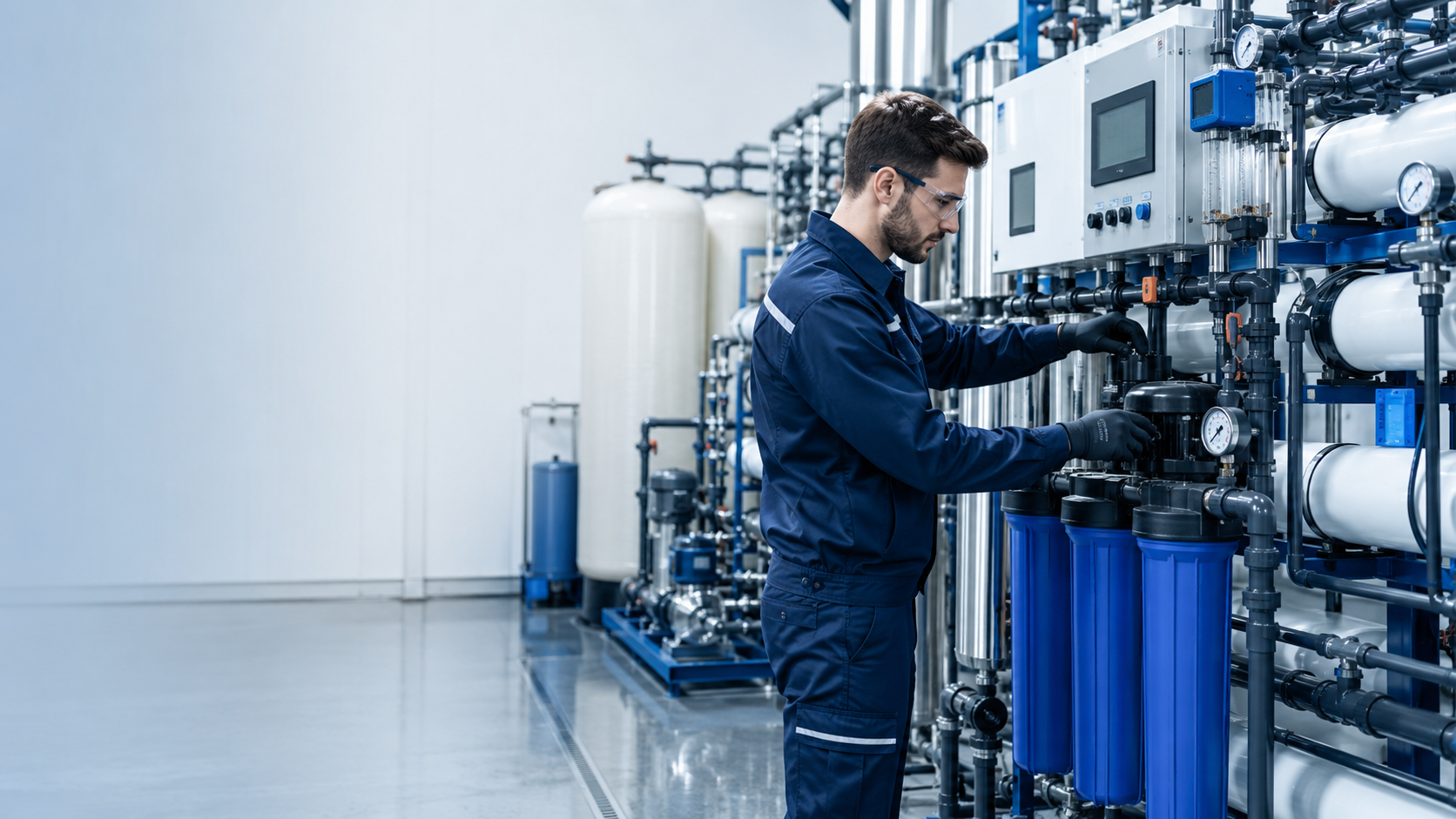
Water Is a Silent Part of Every Successful Business
When people think about running a business, they usually focus on sales, customer service, marketing, or staffing. Water rarely makes the list. It’s simply expected to be there whenever someone turns on a faucet or starts a machine.
But the moment water becomes unreliable, everything changes.
A restaurant may struggle to maintain food quality. A manufacturing facility could face production delays. Hotels risk disappointing guests, while healthcare facilities depend on clean water every single hour of the day. Water isn’t just another utility—it’s part of the foundation that keeps countless businesses operating smoothly.
Ironically, because it works quietly in the background, many companies don’t think about their water systems until something goes wrong. By then, the repair costs and operational disruptions can be far more expensive than preventative planning would have been.
Every Industry Faces Different Water Challenges
Not all businesses use water in the same way.
A coffee shop depends on consistent water for beverages, while a commercial laundry facility deals with heavy mineral deposits that can shorten machine life. Food processing plants often require highly filtered water, whereas office buildings may simply want cleaner drinking water for employees.
That’s why choosing a one-size-fits-all filtration system rarely produces the best outcome.
Every business should begin by understanding its daily water usage, local water supply, and operational priorities. Once those factors are clear, selecting the right treatment system becomes much easier and far more effective.
Better Water Supports Better Equipment
Commercial equipment represents a major investment for nearly every organization. Boilers, dishwashers, steam systems, ice machines, coffee brewers, cooling towers, and industrial machinery all depend on clean, properly treated water to perform efficiently.
Mineral buildup may seem harmless at first, but over time it quietly reduces efficiency, increases energy consumption, and forces equipment to work harder than necessary.
This is where equipment protection becomes more than just a maintenance goal—it becomes a financial strategy. Reducing scale buildup and preventing corrosion helps businesses extend equipment life, lower repair expenses, and reduce unexpected downtime that can interrupt daily operations.
In many cases, protecting valuable machinery starts with improving the water flowing through it.
Clean Water Shapes Customer Experience
Customers notice more than many business owners realize.
A guest at a hotel might not know the exact mineral content of the water, but they’ll certainly notice spotless glassware, softer towels, and better-tasting coffee. Diners may never ask about filtration systems, yet cleaner water often improves beverages, soups, sauces, and even baked goods.
Sometimes the difference isn’t dramatic. It’s simply subtle consistency.
Those small details contribute to an overall impression of quality, professionalism, and care. Businesses spend thousands creating positive customer experiences, while something as basic as water quietly influences many of those interactions every day.
Why Modern Commercial Systems Are Smarter Than Ever
Water treatment technology has evolved significantly over the years.
Today’s business water systems are designed with efficiency in mind. Many include automated monitoring, digital controls, intelligent regeneration cycles, and advanced filtration capable of addressing multiple water concerns simultaneously.
These systems aren’t just more effective—they’re often easier to manage.
Instead of requiring constant manual adjustments, modern commercial equipment can adapt to changing demand, helping businesses conserve water, reduce waste, and improve operational efficiency without adding unnecessary complexity.
For organizations already managing dozens of daily responsibilities, simplicity is a valuable feature.
Planning Ahead Saves More Than Emergency Repairs
One of the most expensive mistakes businesses make is treating water problems as emergencies rather than long-term operational concerns.
Waiting until equipment fails usually creates additional costs beyond the repair itself. Production schedules may be interrupted. Employees lose valuable time. Customers experience delays, and sometimes entire operations need to pause while repairs are completed.
Preventive planning rarely receives much attention because nothing dramatic happens.
And that’s exactly the point.
When systems are working properly, businesses can focus on serving customers instead of troubleshooting plumbing or replacing damaged equipment.
Maintenance Is an Investment, Not an Expense
It’s easy to think of service visits as another bill to pay.
In reality, routine inspections often prevent much larger expenses later. Filters eventually need replacing, water softeners require periodic servicing, and monitoring system performance ensures everything continues operating at peak efficiency.
Regular ongoing maintenance allows technicians to identify minor issues before they become major disruptions. A worn component replaced during a scheduled inspection costs far less than an emergency shutdown caused by complete system failure.
The businesses that experience the fewest water-related interruptions are usually the ones that commit to consistent maintenance rather than reactive repairs.
Sustainability and Efficiency Go Hand in Hand
Environmental responsibility has become increasingly important across nearly every industry.
Fortunately, efficient water treatment often supports sustainability goals at the same time. Better filtration reduces waste, optimized softening systems minimize water consumption, and improved equipment efficiency lowers overall energy usage.
Businesses don’t necessarily have to choose between environmental responsibility and financial savings.
In many situations, the same improvements achieve both.
Customers, employees, and business partners increasingly appreciate organizations that make thoughtful operational decisions, especially when those choices reduce waste without sacrificing performance.
Choosing the Right Partner Matters
Technology alone doesn’t guarantee success.
Installing commercial water treatment equipment requires careful planning, proper sizing, and an understanding of how each business operates. The right provider looks beyond product catalogs and focuses on identifying practical solutions that match real operational needs.
That process often begins with water testing, followed by thoughtful recommendations based on usage patterns, local water conditions, available space, and future business growth.
Rather than selling unnecessary features, experienced professionals help businesses invest where it genuinely makes a difference.
Final Thoughts
Reliable water rarely receives much attention because it’s expected to simply work. Yet behind countless successful businesses, properly treated water quietly supports daily operations, protects expensive equipment, improves customer experiences, and contributes to long-term efficiency.
Whether it’s a restaurant serving hundreds of guests, a manufacturing plant running around the clock, or a small office creating a healthier workplace, dependable water treatment delivers value that extends well beyond clean drinking water.
Businesses that invest in understanding and improving their water systems often discover benefits they hadn’t fully considered—from lower operating costs to longer equipment life and smoother daily operations.
At the end of the day, great businesses aren’t built on reacting to problems. They’re built on making smart decisions before those problems ever have the chance to appear. And sometimes, one of the smartest decisions begins with something as simple—and as essential—as water.

