From the journal · April 29, 2026
Service Dog Training Phoenix AZ: Building Reliable Support Dogs
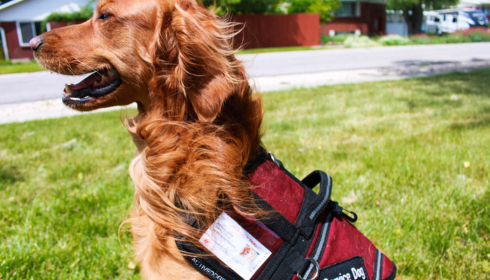
Service dogs play an important role in improving independence, safety, and quality of life for individuals with disabilities. Choosing the right service dog training Phoenix AZ program is one of the most important steps in developing a reliable, confident, and well-trained service dog. Proper training goes far beyond basic obedience and focuses on specialized skills, public behavior, and task training that directly support the handler’s daily life.
In this guide, we’ll discuss what service dog training involves, how the process works, and what to look for when choosing a professional training program.
Understanding Service Dog Training
Service dog training is a structured and highly specialized process that prepares dogs to perform specific tasks for individuals with physical, psychiatric, or medical conditions. Unlike basic obedience or even advanced training, service dogs must learn how to behave calmly and reliably in public spaces, respond to commands consistently, and perform trained tasks that assist their handler.
Service dogs may be trained to help with:
- Mobility assistance
- Medical alerts
- Psychiatric support
- Balance and stability
- Retrieving items
- Opening doors
- Interrupting anxiety or panic behaviors
A professional service dog training Phoenix AZ program focuses on both behavior and task training to ensure the dog can perform reliably in real-world environments.
What Makes a Good Service Dog Candidate
Not every dog is suited for service work. Temperament, confidence, health, and trainability all play a major role in determining whether a dog can successfully complete service training.
A good service dog candidate typically has:
- Calm and stable temperament
- Low aggression and low reactivity
- High trainability and focus
- Confidence in new environments
- Strong bond with handler
- Good physical health
- Ability to remain calm around people and other animals
Professional trainers often evaluate dogs before beginning a service training program to determine whether the dog is a good candidate for service work.
The Service Dog Training Process
Training a service dog usually takes several months to over a year depending on the tasks required and the dog’s starting skill level. The process typically follows several structured phases.
1. Foundation Obedience Training
Before task training begins, the dog must master basic obedience and impulse control. This includes:
- Sit
- Down
- Stay
- Come
- Heel
- Place
- Leave it
- Loose leash walking
- Ignoring distractions
Without strong obedience, service dogs cannot perform reliably in public settings.
2. Public Access Training
Public access training teaches the dog how to behave in public places such as:
- Restaurants
- Stores
- Airports
- Hospitals
- Elevators
- Public transportation
- Crowded areas
Dogs must remain calm, quiet, and focused on their handler at all times. They cannot bark, jump on people, pull on the leash, or show aggression.
Public access skills include:
- Settling under tables
- Walking through crowds
- Ignoring food on the ground
- Riding elevators calmly
- Staying focused in busy environments
3. Task Training
Task training is what makes a dog a service dog. These tasks are trained specifically to assist the handler’s disability.
Examples of service dog tasks:
- Deep pressure therapy
- Medication reminders
- Medical alert behaviors
- Item retrieval
- Opening doors
- Turning lights on/off
- Interrupting panic attacks
- Guiding handler to exits
- Providing balance support
Task training requires repetition, consistency, and professional guidance to ensure reliability.
Benefits of Professional Service Dog Training
While some owners attempt to train service dogs on their own, professional guidance significantly increases the success rate. Service dog training requires advanced behavior knowledge, public training experience, and structured task training methods.
Benefits of professional training include:
- Proper temperament evaluation
- Structured training program
- Public access training
- Task training guidance
- Behavior problem prevention
- Reliable obedience
- Handler training and coaching
- Legal and public access education
- Higher success rate
Working with a professional trainer helps ensure the dog is truly prepared for real-world service work.
Handler Training Is Just as Important
One of the most overlooked parts of service dog training is handler education. A service dog team must work together effectively, which means the handler must understand how to:
- Give clear commands
- Maintain training consistency
- Reinforce good behavior
- Handle public situations
- Manage distractions
- Continue training at home
- Advocate for public access rights
Service dog training is not just about training the dog it is about training the team.
Public Access Test and Reliability
Many service dog programs include a public access test to evaluate whether the dog is ready to work in public environments. This test typically evaluates:
- Obedience
- Leash manners
- Behavior around people
- Behavior around other dogs
- Reaction to loud noises
- Ability to settle in public places
- Focus on handler
- Task performance
- Overall behavior stability
A reliable service dog must perform consistently in different environments, not just in training sessions.
Choosing the Right Service Dog Training Program
If you are looking for service dog training Phoenix AZ, choosing the right trainer is extremely important. Not all dog trainers specialize in service dog training, and the process requires advanced knowledge and experience.
Look for a trainer that offers:
- Service dog evaluations
- Obedience training foundation
- Public access training
- Task training
- Handler training
- Structured training programs
- Real-world training environments
- Ongoing support and follow-up training
- Experience with different types of service dogs
- Clear training plans and timelines
Avoid programs that promise fast service dog certification or unrealistic training timelines. Proper service dog training takes time, consistency, and structured training.
Common Mistakes in Service Dog Training
Many service dog teams struggle due to common training mistakes. Avoiding these issues can greatly improve training success.
Common mistakes include:
- Skipping obedience training
- Training tasks before behavior is reliable
- Not practicing in public environments
- Inconsistent commands
- Rewarding unwanted behavior
- Not continuing training after program completion
- Choosing a dog with the wrong temperament
- Expecting fast results
- Lack of handler training
- Not proofing behaviors in different environments
Service dog training is a long-term process that requires patience and consistency.
How Long Service Dog Training Takes
The timeline for service dog training varies depending on:
- Dog’s age
- Dog’s temperament
- Type of service tasks
- Training frequency
- Handler participation
- Dog’s previous training experience
Typical timeline:
- Basic obedience: 2–3 months
- Public access training: 3–6 months
- Task training: 3–6 months
- Reliability training: 2–4 months
Total training time can range from 6 months to 18 months for a fully trained service dog.
Maintaining Service Dog Training Long-Term
Training does not end once the dog completes the program. Service dogs must continue practicing skills regularly to maintain reliability.
Ongoing training should include:
- Weekly obedience practice
- Public training outings
- Task repetition
- Exposure to new environments
- Refresher training sessions
- Reinforcement of calm behavior
- Continued handler training
Consistent training ensures the dog remains reliable and confident throughout its working life.
Building a Reliable Service Dog Partnership
Choosing professional training is one of the most important decisions for anyone who depends on a service dog for daily assistance. Proper training builds reliability, confidence, and strong communication between handler and dog, which is why working with experienced trainers like Rob’s Dog Training can make a significant difference in long-term success.
A well-trained service dog is calm in public, responsive to commands, and capable of performing trained tasks that make everyday life easier and safer for their handler. With the right training program, consistent practice, and professional guidance, service dogs can provide life-changing support and independence.
service dog training Phoenix AZ, is not just about teaching commands it is about building a dependable partner that can work confidently in the real world and support their handler every day.