

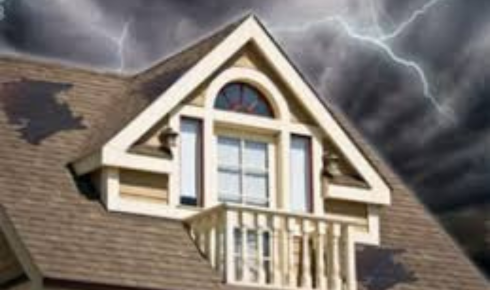
There’s a strange moment after a storm. The sky clears, the wind settles, and everything looks almost normal again. You step outside, take a look around, maybe move a few things back into place.
And then it hits you—what about the roof?
It’s not something you usually think about. But after a heavy storm, it quietly becomes one of the most important parts of your home.
The Damage You Don’t Always See
Storms have a way of testing everything at once. Wind pushes from one direction, rain finds its way into every gap, and debris adds pressure in unpredictable ways.
But here’s the tricky part—storm damage roofing issues aren’t always obvious.
You might not see missing shingles right away. There might not be a leak yet. Everything can look fine from the ground, even when small problems have already started.
And those small problems? They tend to grow.
That’s why the period after a storm is just as important as the storm itself.
What Actually Happens During a Storm
Roofs are built to handle weather, but storms aren’t always predictable.
Strong winds can lift shingles just enough to loosen them. Rain can seep into areas that were already slightly worn. Even small debris can cause damage if it hits the right spot.
Over time, these effects combine into what we call roof storm damage—a mix of visible and hidden issues that can affect how your roof performs.
It’s not always about one big event. Sometimes, it’s the accumulation of smaller impacts that creates the real problem.
Why Early Attention Matters
It’s easy to wait. If nothing looks wrong, it’s tempting to assume everything is fine.
But roofs don’t always show their problems immediately.
A loosened shingle today can become a leak tomorrow. A small crack can allow moisture to build up over time. And once water gets in, it rarely stays in one place.
That’s why paying attention early makes a difference.
You don’t need to panic or assume the worst. Just take a moment to notice anything unusual. If something feels off, it’s worth checking.
Preparing Before the Next Storm Arrives
If storms are part of your seasonal routine, preparation becomes part of your routine too.
Simple steps can make a big difference.
Check your roof from the ground for visible issues. Clear out gutters so water can flow properly. Secure anything outside that could turn into debris.
This kind of storm roofing preparation doesn’t take long, but it helps your home handle the next storm more effectively.
And preparation isn’t about perfection—it’s about reducing risk.
The Role of Maintenance in Long-Term Protection
Storms don’t just test your roof—they reveal its condition.
A well-maintained roof tends to handle storms better. It has fewer weak points, better sealing, and stronger overall structure.
On the other hand, a roof that’s already worn down is more likely to develop problems when exposed to harsh weather.
That’s why regular maintenance isn’t just about keeping things looking good. It’s about making sure your roof is ready for whatever comes next.
The Emotional Side of Storm Damage
There’s also something less practical, but just as real—the feeling that comes with storm damage.
Uncertainty.
You wonder if everything is okay. You listen more closely when it rains again. You check the ceiling just to be sure.
That feeling doesn’t come from the damage itself—it comes from not knowing.
And the only way to deal with that is to take a closer look, to understand what’s happening, and to address it if needed.
A More Grounded Way to Handle It
You don’t need to overreact after every storm. Not every storm causes damage, and not every roof has issues.
But a little awareness goes a long way.
Look around. Pay attention to changes. Trust your instincts if something doesn’t feel right.
And if you’re unsure, getting a professional opinion can give you clarity.
It’s not about expecting problems—it’s about being prepared for them.
Ending With a Simple Thought
Storms come and go. They’re part of the cycle, part of the seasons.
But your roof is what stands between those storms and everything inside your home.
So when the sky clears and things seem calm again, take a moment to think about what your roof just went through.
Not because you expect something to be wrong—but because making sure it’s right keeps everything underneath it safe.
Sometimes, that small step is all it takes to turn uncertainty into confidence.

