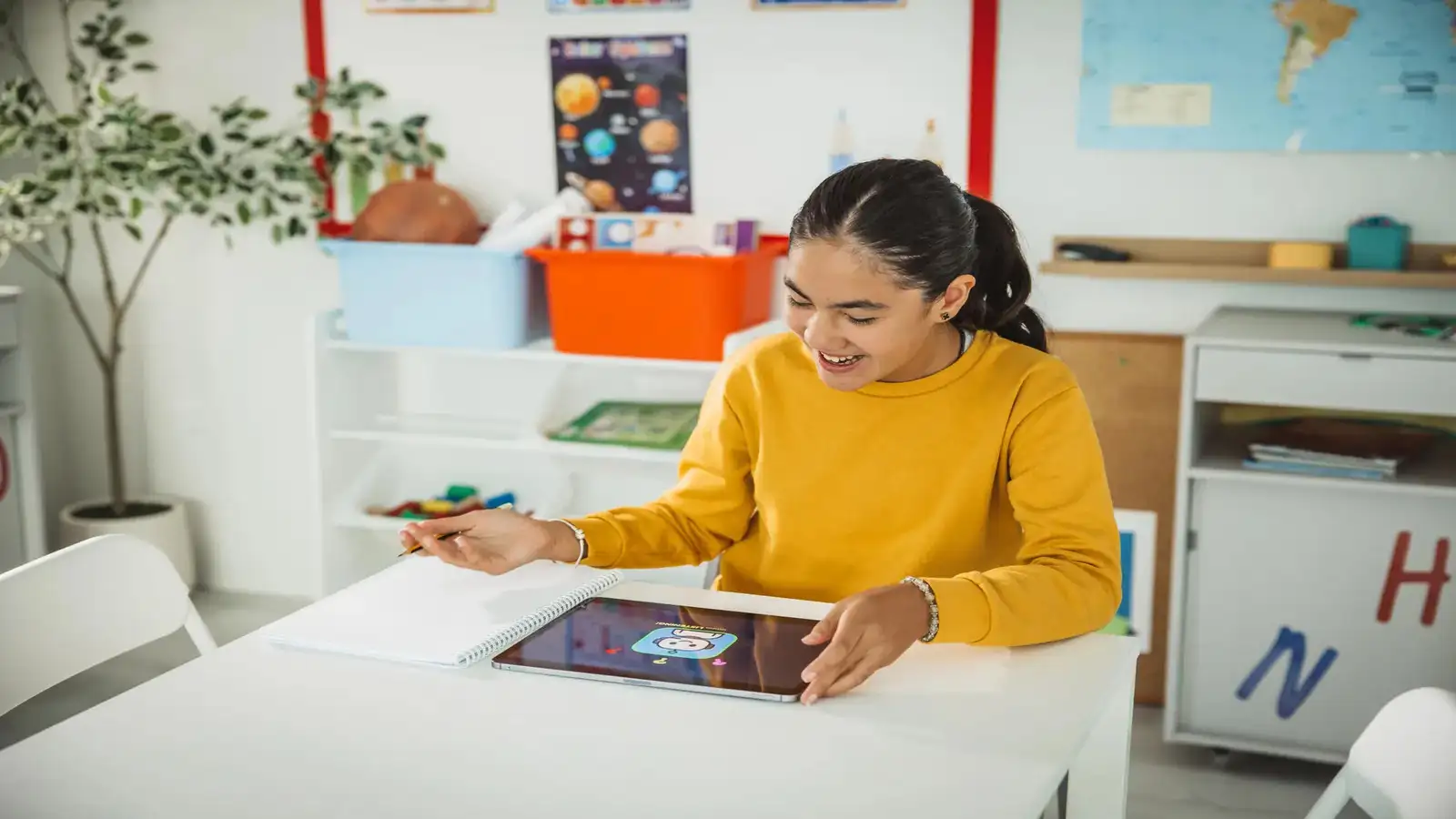
There was a time when learning meant sitting through long lectures, flipping pages for hours, and trying to stay focused even when your mind wandered somewhere else. It wasn’t bad — just… heavy. Structured, slow, and sometimes a bit overwhelming.
Now, things feel lighter. Faster. Almost snackable.
You watch a 5-minute video, scroll through a quick lesson, maybe answer a few questions — and somehow, you’ve learned something new before your coffee even gets cold. It’s a quiet shift, but a powerful one.
The Attention Shift We Can’t Ignore
Let’s be honest. Our attention spans aren’t what they used to be.
Between notifications, reels, emails, and endless scrolling, staying focused for long stretches has become harder. Not impossible, just… different. And education had to adapt.
That’s where short-form learning started gaining ground. Instead of fighting for hours of your time, it asks for minutes — sometimes even seconds.
And surprisingly, it works.
What Microlearning Really Looks Like
Microlearning isn’t just about short content. It’s about focused content.
Each lesson targets a specific concept. No fluff, no unnecessary depth — just the core idea delivered clearly. It could be a quick explainer video, a short quiz, or even a swipeable lesson on your phone.
The idea behind Microlearning Platforms: Short-form education ka impact is simple but effective: break knowledge into smaller, digestible pieces so it feels less intimidating and more approachable.
It’s not about replacing traditional learning entirely — it’s about complementing it in a way that fits modern lifestyles.
Why It Feels Easier (and Maybe More Effective)
There’s a psychological aspect to this.
When something feels small, it feels doable. You’re more likely to start. And once you start, you often continue.
Microlearning taps into that. It removes the pressure of “I need to study for hours” and replaces it with “I can learn this in a few minutes.”
Also, repetition becomes easier. Instead of revisiting a long chapter, you can quickly go over a short lesson again. That reinforces memory in a way that feels natural, not forced.
Learning Anytime, Anywhere
One of the biggest advantages? Flexibility.
You don’t need a dedicated study setup. You can learn while commuting, waiting in line, or even during short breaks at work. It fits into your day instead of demanding a separate slot.
And honestly, that’s what makes it sustainable.
Because let’s face it — most people don’t quit learning because they don’t want to. They quit because they can’t find the time.
Microlearning quietly solves that problem.
The Role of Technology in This Shift
Technology didn’t just enable microlearning — it shaped it.
Mobile apps, AI recommendations, gamified lessons — all of these make the experience engaging. You’re not just passively consuming content; you’re interacting with it.
Some platforms even track your progress and adjust content based on your pace. It’s personalized in a way traditional classrooms often struggle to be.
And that personalization? It makes a difference.
Is Short-Form Learning Enough?
Here’s where things get a bit nuanced.
Microlearning is great for building skills, understanding concepts, and staying updated. But for deep expertise — things like mastering a subject or developing complex problem-solving skills — longer, more immersive learning still matters.
Think of it like this: microlearning is the spark, not always the full fire.
It gets you started, keeps you consistent, and fills gaps. But sometimes, you’ll need to go deeper. And that’s okay.
Who Benefits the Most?
Interestingly, almost everyone.
Students use it to revise quickly. Professionals use it to upskill without disrupting their work schedules. Even businesses are adopting it for employee training — shorter modules, better engagement, higher retention.
It’s practical. And practicality often wins.
The Subtle Change in How We Think About Education
What’s really changing isn’t just the format — it’s the mindset.
Learning is no longer something you “complete.” It’s something you do continuously, in small moments, over time.
That shift feels more human. Less pressure, more progress.
And maybe that’s why it’s sticking.
Final Thoughts
Microlearning isn’t trying to replace traditional education. It’s reshaping how we interact with knowledge in a world that moves faster than ever.
There’s something refreshing about learning in small, manageable pieces. It feels less like a task and more like a habit — something you can carry with you, rather than something you have to sit down for.
And in a way, that might be its biggest strength.
Because when learning becomes easy to start, it becomes easier to continue.
And that’s where real growth happens — not in big leaps, but in small, consistent steps.
