From the journal · April 27, 2026
The Clothes We Wear, The Choices We Ignore
It’s funny how casually we shop for clothes these days. A quick scroll, a tempting discount, maybe a “limited time” banner — and suddenly there’s a new shirt on the way. No big deal, right?
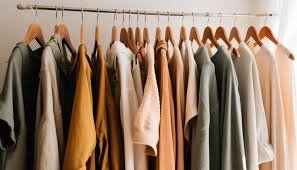
But every now and then, there’s a pause. You look at your wardrobe, half of it barely worn, and wonder… how did it get this full?
Related reading: Why Lily Arkwright Rose Gold Engagement Rings Are Always in Style · Clothes Without Labels: How Fashion Is Quietly Letting People Be Themselves
That quiet question sits at the heart of a much bigger conversation — one that goes beyond style and trends.
The Rise of Fast Fashion (and Why It Works)
Fast fashion didn’t just happen by accident. It was built to fit perfectly into modern life.
New collections every few weeks. Affordable prices. Trends moving at the speed of social media. It feels exciting — almost addictive in a subtle way. You don’t have to think too much. You see it, you like it, you buy it.
And for many people, it makes fashion accessible. Not everyone can spend thousands on a single outfit, and fast fashion fills that gap.
But convenience often comes with a hidden cost.
What We Don’t See Behind the Price Tag
A ₹499 shirt sounds like a great deal. But when something is that cheap, you have to ask — where is the cost being absorbed?
Often, it’s in labor and production. Factories working at high speed, materials chosen for low cost rather than durability, and processes that aren’t exactly gentle on the environment.
Water pollution, textile waste, carbon emissions — these don’t show up on the receipt, but they exist. Quietly, consistently.
And the scale? Massive.
Slowing Things Down: The Alternative Approach
Slow fashion doesn’t shout for attention. It’s not about constant newness or chasing trends.
Instead, it focuses on quality, longevity, and mindful consumption. Fewer pieces, but better made. Clothes you actually wear — not just once, not just for a photo.
The idea behind Fast Fashion vs Slow Fashion: Real environmental impact kya hai isn’t about guilt-tripping anyone. It’s about awareness. About understanding how different choices ripple outward, even when they seem small.
Why We Keep Buying More Than We Need
Here’s something we don’t talk about enough — shopping isn’t always about clothes.
Sometimes it’s about mood. Stress. Boredom. That quick dopamine hit when you click “buy now.”
Fast fashion taps into that perfectly. It’s cheap enough to feel harmless and frequent enough to become a habit.
But over time, the excitement fades. The clothes pile up. And that initial “I need this” feeling? It doesn’t quite hold up.
The Environmental Side of the Story
Let’s zoom out for a second.
Fashion is one of the largest polluting industries in the world. From water usage in cotton farming to synthetic fibers shedding microplastics, the impact is layered and complex.
And then there’s waste. Tons of clothing end up in landfills every year — often barely worn. Some are donated, yes, but not all of it gets reused. A lot of it simply… sits there.
Slow fashion doesn’t eliminate these issues entirely, but it reduces them. Less production, less waste, more thoughtful use.
Is Slow Fashion Practical for Everyone?
This is where things get real.
Not everyone can afford premium clothing. And not everyone has access to ethical brands. That’s a valid point — and an important one.
But slow fashion isn’t only about buying expensive items. It can also mean:
- Wearing what you already own more often
- Choosing quality over quantity when possible
- Repairing instead of replacing
- Buying second-hand
It’s less about perfection and more about intention.
Finding a Balance That Actually Works
You don’t have to completely quit fast fashion overnight. For most people, that’s unrealistic.
Instead, it’s about small shifts.
Maybe you pause before buying. Maybe you ask yourself, “Will I wear this more than a few times?” Maybe you invest in one good piece instead of three average ones.
Over time, these small decisions add up.
And they change how you see your wardrobe — not as a collection of random purchases, but as something more personal.
The Emotional Side of Clothing
There’s also something deeper here.
Clothes carry memories. A shirt you wore on a trip. A jacket you’ve had for years. Pieces that feel like they belong to you, not just your closet.
Slow fashion tends to create more of those moments. Because when you choose carefully, you connect differently.
It’s not just fabric anymore. It’s part of your story.
Final Thoughts
The conversation around fashion isn’t just about trends anymore. It’s about choices — quiet, everyday choices that shape a much larger picture.
Fast fashion made style accessible. Slow fashion is asking us to be mindful.
Neither is entirely right or wrong on its own. But understanding the difference? That’s where things start to shift.
Because once you see the impact — not just on the environment, but on your own habits — it’s hard to ignore.
And maybe that’s the point.
Not to be perfect. Just… a little more aware than before.