From the journal · May 27, 2026
When Water Pressure Problems Start Affecting Everyday Life
Most homeowners don’t think about their water system very often. Honestly, why would they? If the shower runs properly, the washing machine fills on time, and the kitchen faucet works without strange noises, water stays quietly in the background where it belongs.
But the moment something changes, even slightly, people notice fast.
Related reading: Best Movers in Ampang and Movers in Beranang: Planning a Smooth and Secure Relocation · Better Drinking Water at Home: What Purity, Taste, and Safety Really Mean
Maybe the shower suddenly weakens when someone flushes a toilet. Maybe the outdoor hose barely sprays anymore. Sometimes faucets sputter air for a few seconds before water finally starts flowing normally again. Small things, technically — but they have a way of making a house feel frustrating surprisingly quickly.
That’s the thing about water systems. You don’t realize how important consistency is until it disappears.
Weak Water Pressure Usually Has a Story Behind It
Low water pressure rarely appears without a reason. In some homes, it’s caused by clogged fixtures or aging pipes. In others, the issue points toward a struggling pump, sediment buildup, leaks, or pressure tank problems quietly developing behind the scenes.
The tricky part is that these problems often begin gradually.
Homeowners adapt slowly. Showers get slightly weaker month by month. Outdoor sprinklers stop reaching quite as far. Appliances take longer to run cycles. Because the changes happen little by little, people often normalize the inconvenience without realizing something mechanical is wearing down.
I remember visiting relatives who lived with poor pressure for years because they assumed it was simply “how the house worked.” After finally replacing part of their aging pump setup, they were genuinely shocked by how different everyday tasks suddenly felt.
Even washing dishes became easier.
Funny how quickly people get used to problems when they develop slowly enough.
Pump Systems Work Harder Than Most People Realize
In homes using wells or booster systems, pumps do an enormous amount of unseen work every single day. Every shower, load of laundry, sink faucet, irrigation cycle, and dishwasher run depends on that equipment functioning properly.
And unlike some household systems that operate occasionally, pumps often cycle constantly depending on water demand.
That wear adds up over time.
Sediment, hard water minerals, electrical strain, aging seals, pressure switch problems — there are plenty of small issues that can slowly reduce performance long before complete failure happens. Sometimes the first warning sign is simply inconsistent pressure. Other times, homeowners hear unusual humming, clicking, or rapid cycling sounds coming from utility rooms or pump houses.
Those noises matter more than people think.
Waiting Too Long Often Makes Repairs Worse
A lot of homeowners postpone service because the system still technically works. Maybe the pressure feels annoying, but manageable. Maybe the pump sounds louder than usual, but nothing has actually stopped functioning yet.
That’s understandable. Nobody likes unexpected repair bills.
But delaying pump repair often turns smaller mechanical problems into much larger ones. A failing pressure switch can overwork the pump motor. Leaks force systems to cycle constantly. Sediment buildup creates unnecessary strain that shortens equipment lifespan faster than expected.
I once heard a plumber describe water pumps as “machines that whisper before they scream.” Honestly, that feels pretty accurate.
Most systems give warning signs early. The challenge is recognizing them before damage spreads further.
Modern Systems Have Become Much More Efficient
The good news is that today’s pump technology is generally more reliable and energy efficient than older generations. Variable-speed systems, smarter controls, and better pressure regulation create smoother operation while reducing unnecessary wear.
For homeowners, the improvements often feel subtle rather than dramatic.
Showers stay more consistent. Irrigation systems work evenly. Appliances run without pressure fluctuations. The entire home simply feels easier to live in.
And honestly, when water systems function properly, people stop thinking about them altogether — which is usually the best outcome possible.
Maintenance Gets Ignored Because Pumps Stay Hidden
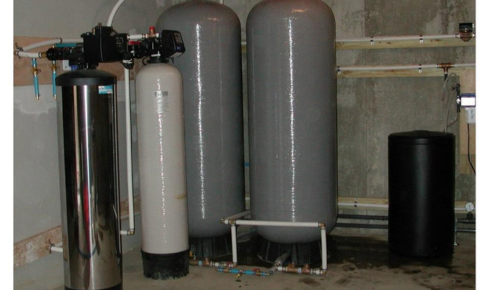
One reason pump problems become expensive is because most homeowners rarely see the equipment itself. Pumps are often tucked away in basements, garages, utility closets, or underground well systems where they disappear from daily attention completely.
Out of sight, out of mind.
That’s why regular pump maintenance tends to get skipped until something goes wrong. But small routine checks actually make a huge difference over time.
Inspecting pressure tanks, monitoring cycling behavior, cleaning filters, checking electrical connections, and flushing sediment buildup can all help extend system life significantly. In areas with hard water or heavy sediment, maintenance becomes even more important because mineral accumulation quietly stresses moving parts over the years.
The frustrating part is that neglected systems often keep functioning just well enough to avoid immediate panic. Performance declines gradually, so homeowners delay service longer than they probably should.
Until one day the water suddenly stops during the middle of a shower, and suddenly the issue feels very urgent.
Reliable Water Creates Quiet Comfort
At the end of the day, most people aren’t interested in water pumps themselves. They care about what reliable water allows them to do comfortably.
Morning showers without frustration. Washing machines that fill properly. Outdoor watering systems that actually reach the lawn evenly. Those small everyday routines shape how a home feels more than people usually realize.
That’s probably why fixing water pressure issues often creates such immediate relief. The house feels calmer somehow. Less irritating. More predictable.
And honestly, predictability matters.
People spend so much time upgrading visible parts of their homes — floors, kitchens, furniture, paint colors — while the systems hidden behind walls quietly determine how comfortable daily life actually feels.
Reliable water is one of those invisible comforts that only becomes fully appreciated after something interrupts it.
Which is probably why homeowners who finally solve ongoing pump or pressure problems often say the same thing afterward: they wish they’d handled it sooner.