From the journal · April 27, 2026
Clothes Without Labels: How Fashion Is Quietly Letting People Be Themselves

There’s a certain ease you notice now when you walk into a modern clothing store—or scroll through one online. The sections aren’t always rigid anymore. It’s less “men’s” and “women’s,” more… just clothes. Shirts that could belong to anyone. Silhouettes that don’t try too hard to define who should wear them.
It didn’t happen overnight, but something shifted. Maybe it started with a few oversized hoodies borrowed across wardrobes, or the quiet popularity of sneakers that never cared about gender in the first place. Whatever the origin, fashion today feels a little more open, a little less prescriptive.
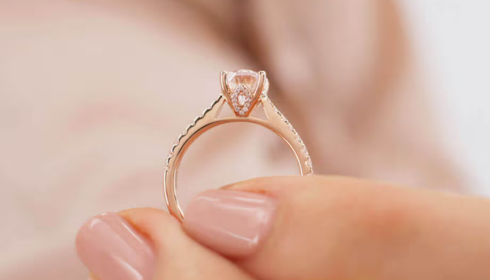
Related reading: Why Lily Arkwright Rose Gold Engagement Rings Are Always in Style · The Clothes We Wear, The Choices We Ignore
And honestly, it feels overdue.
The Old Rules Are Starting to Fade
For decades, fashion followed a predictable script. Certain colours, cuts, and styles were assigned—almost like unwritten rules you were expected to follow without questioning.
Pink here, blue there. Slim fits for one group, structured tailoring for another. It was clear, organised… and often limiting.
But people have changed. Or maybe people always felt this way and are only now expressing it more freely. Either way, the rigid lines are blurring.
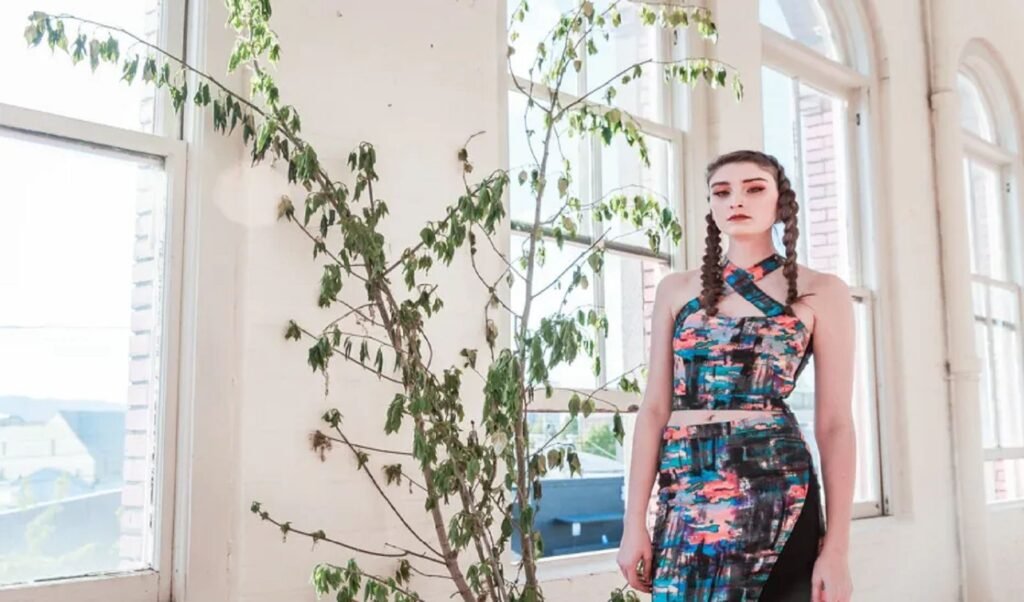
You see it in streetwear, in high fashion, even in everyday office wear. A man in a flowing kurta-style shirt, a woman in relaxed tailoring that once felt “too masculine”—none of it raises eyebrows the way it used to.
Why Gen Z Is Driving This Shift
There’s no ignoring it—Gen Z has played a huge role here. Not just in what they wear, but in how they think about identity itself.
For them, clothing isn’t about fitting into a predefined category. It’s about expression. Fluid, evolving, sometimes contradictory—and that’s perfectly okay.
That’s where the conversation around Gender-neutral Fashion Trends: Gen Z ka style shift starts making sense. It’s not just about clothes; it’s about mindset. A quiet refusal to be boxed into something that doesn’t feel authentic.
And brands have noticed.
Fashion Brands Are Catching Up (Some Faster Than Others)
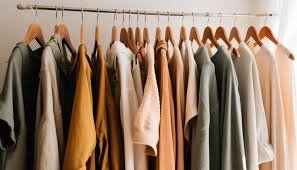
Big labels and emerging designers alike are experimenting with unisex collections. You’ll find looser fits, neutral palettes, and designs that don’t scream a specific gender.
Some brands are doing it thoughtfully—rethinking cuts, fabrics, and sizing systems entirely. Others… well, they’re just rebranding oversized basics and calling it a day.
Consumers can tell the difference.
Authenticity matters more now. If a brand genuinely understands the shift, it shows. If it’s just following a trend, that shows too.
It’s Not Just About Aesthetics
What’s interesting is how practical this shift can be.
Shared wardrobes become a thing. Fewer constraints when shopping. More versatility in styling. A single piece can be worn in multiple ways, across different moods and occasions.
There’s also a sustainability angle, quietly sitting in the background. When clothes aren’t tied to specific categories, they tend to last longer—both in relevance and usage. Less waste, fewer impulse buys, more thoughtful consumption.
It’s not the main reason people choose gender-neutral fashion, but it’s a nice side effect.
The Comfort Factor (Physical and Emotional)
Let’s not overlook comfort—both in how clothes feel and how they make you feel.
Looser silhouettes, breathable fabrics, and relaxed fits are becoming more common. They’re not just trendy; they’re wearable. Real-life friendly.
But there’s also emotional comfort. The kind that comes from wearing something that aligns with how you see yourself, not how you’re expected to present.
That’s harder to measure, but you can sense it. Confidence looks different when it’s not forced.
Challenges That Still Exist
Of course, the shift isn’t perfect.
Sizing remains inconsistent. What’s labelled “unisex” doesn’t always fit everyone equally well. Retail layouts can still be confusing. And in many places, societal expectations haven’t caught up as quickly as fashion has.
There’s also the risk of oversimplification. Gender-neutral doesn’t mean bland or identical—it should still allow for creativity and individuality.
It’s a work in progress, like most meaningful changes tend to be.
Where This Might Be Headed
If current patterns continue, fashion could become less about categories altogether and more about personal curation. You pick what resonates, regardless of where it’s placed in a store or how it’s labelled.
Designers might focus more on adaptability—clothes that move with you, adjust to different body types, and evolve with trends without losing their core appeal.
It’s not about erasing identity. It’s about expanding the space where identity can exist.
Final Thoughts: A More Open Wardrobe, A More Open Mind
At its core, this shift isn’t just about fashion. It’s about freedom. The freedom to choose, to experiment, to exist without unnecessary labels attached to something as simple as clothing.
And maybe that’s why it feels so natural.
Because when you strip away the rules, what’s left is just people wearing what they like. And that, in its own quiet way, feels like progress.