

Most homeowners don’t spend much time thinking about water until something starts feeling slightly wrong. Maybe the coffee tastes strange lately. Maybe the shower leaves your skin dry no matter what soap you buy. Or maybe you’ve cleaned the same white spots off the kitchen faucet so many times that you’ve simply accepted them as part of life.
Water has a sneaky way of becoming invisible when it’s working well.
But the moment quality drops — even a little — it quietly starts affecting everything around the house. Laundry, cooking, appliances, showers, dishes, even the way the home smells sometimes. It all connects back to the water flowing through the pipes every single day.
And honestly, most people don’t realize how much they’ve adapted to poor water conditions until they finally experience better water somewhere else.
Different Homes Face Different Water Challenges
One of the biggest misconceptions about household water is the idea that every home deals with the same issues. In reality, water conditions can vary enormously depending on location, infrastructure, plumbing age, and where the supply actually comes from.
Homes using well water often deal with naturally occurring minerals, sulfur smells, sediment, or metals like iron and manganese. Rural homeowners are usually more familiar with these issues because private wells rely directly on underground groundwater conditions.
Meanwhile, homeowners connected to municipal systems face a different set of concerns entirely. Water may already be treated when it arrives, but chlorine taste, older city pipes, and varying mineral levels can still create frustrating everyday problems.
That’s why water treatment is never really one-size-fits-all.
Why Tap Water Taste Matters More Than We Admit
People often underestimate how much water affects flavor. We spend money on expensive coffee beans, fancy tea, fresh produce, and high-end kitchen appliances while ignoring the ingredient used in almost everything we consume daily.
I remember visiting a relative who had recently upgraded their filtration setup. The first thing I noticed wasn’t the shower or even the sink — it was the iced tea. Same recipe they always used, yet somehow it tasted cleaner and smoother.
Turns out, the difference wasn’t the tea at all. It was the water.
That experience stuck with me because it highlighted something simple but important: when water quality improves, countless small routines around the house quietly improve with it.
Municipal Water Isn’t Always Perfect Either
Some homeowners assume that because they receive city water, they automatically don’t need filtration or testing. And while municipal systems absolutely play an important role in public safety, treated water can still contain elements that affect comfort, taste, and household maintenance.
Chlorine is one of the most common examples. It helps disinfect water during distribution, but many people notice its smell or taste once the water reaches the tap. Older plumbing systems may also contribute sediment or metallic flavors over time depending on the area.
And honestly, comfort matters too.
People want water that tastes fresh, showers that feel refreshing, and appliances that don’t constantly battle mineral buildup or residue. Wanting cleaner-feeling water doesn’t mean someone is paranoid — it usually just means they’re tired of tolerating small frustrations every day.
Better Water Quietly Improves Daily Life
The interesting thing about water quality upgrades is that the benefits rarely arrive dramatically. There’s usually no big cinematic moment where everything suddenly changes overnight.
Instead, life just starts feeling easier.
Dishes come out cleaner. Laundry softens up. Coffee tastes better. Skin irritation improves during colder months. Faucets stay cleaner longer. Showers become more enjoyable instead of drying.
One homeowner once described it perfectly to me. They said, “The house just feels calmer now.”
Weird phrasing maybe, but I understood exactly what they meant. When water quality improves, countless little irritations disappear quietly in the background.
Finding the Right Solution Matters
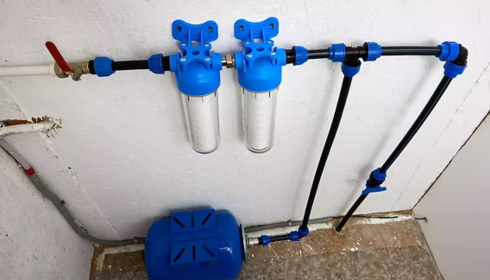
Not every household needs the same type of treatment. Some homes mainly need sediment filtration. Others benefit from softening systems, carbon filters, or more advanced purification setups depending on the condition of the supply.
That’s why choosing the right water filtration system usually starts with understanding what’s actually affecting the home’s water first. Testing matters because it removes guesswork and helps homeowners avoid spending money on equipment that doesn’t address the real issue.
And honestly, homeowners deserve practical advice instead of confusing technical jargon designed to sound impressive. Most people don’t care about complicated engineering diagrams. They care about results.
Does the water taste better? Does the home feel easier to maintain? Are appliances lasting longer? Those are the questions people actually live with every day.
Water Touches Every Routine in the Home
It’s easy to forget how often water gets used because it’s woven into almost every part of daily life. Cooking dinner. Brushing teeth. Showering after work. Washing clothes. Filling the dog’s water bowl. Making coffee half-awake before sunrise.
Water quietly supports all of it.
And when the quality improves, those ordinary moments start feeling slightly better too.
That’s probably why homeowners who invest in improving their water quality often say the same thing afterward: they wish they had done it sooner.
Not because it’s flashy or trendy. Just because living with cleaner, fresher water makes everyday life feel more comfortable in ways people don’t fully appreciate until the change actually happens.
Better Water Creates a Better Home Experience
At the end of the day, improving household water isn’t really about perfection. Most people simply want a home that feels healthier, cleaner, and easier to live in.
Good water helps create that feeling quietly in the background.
It protects appliances, improves comfort, supports healthier routines, and removes the little frustrations people slowly adapt to over time. And honestly, those small everyday improvements often matter far more than the dramatic upgrades homeowners spend months obsessing over.
Because sometimes the best home improvements aren’t the loudest ones.
Sometimes they’re the quiet upgrades that make ordinary life feel noticeably better every single day.

