

There’s a reason some houses stay in your mind long after you’ve visited them. It’s not always because they were massive or expensive-looking either. Sometimes the memory comes from something much simpler — the feeling the home created the moment you walked toward it.
The entrance usually has a lot to do with that.
A well-designed front entry quietly shapes the personality of a house before anyone steps inside. It introduces the space. It creates warmth, elegance, comfort, or character almost instantly. And honestly, homeowners are starting to realize how much that first impression matters.
Not just for guests or neighbors, but for themselves too.
Because at the end of a long day, coming home should feel good.
Why Entrances Carry Emotional Weight
People don’t always think about front entrances emotionally, but they absolutely experience them that way.
You walk through the doorway every single day without really noticing it. Leaving for work early in the morning. Carrying groceries inside. Welcoming family during holidays. Standing near the front step talking longer than expected before saying goodbye.
Over time, the entrance becomes tied to routines and memories.
That’s why the overall entryway matters far beyond simple decoration. The materials, lighting, proportions, and even the way the door sounds when closing all contribute to how the home feels emotionally.
And interestingly, some of the most beautiful entrances aren’t overly dramatic at all. They simply feel balanced and intentional.
A warm light above the door. Quality hardware. Natural textures. A door that feels substantial instead of flimsy. Those details quietly change the atmosphere without demanding attention.
Iron Doors Continue to Feel Timeless
Design trends come and go constantly, but iron somehow keeps finding its place in home architecture year after year.
Part of that appeal comes from permanence. Quality iron entrances feel solid in a way lightweight materials often don’t. The texture, weight, and craftsmanship create an impression of durability that people instinctively respond to.
That’s why wrought iron doors remain so popular despite changing styles.
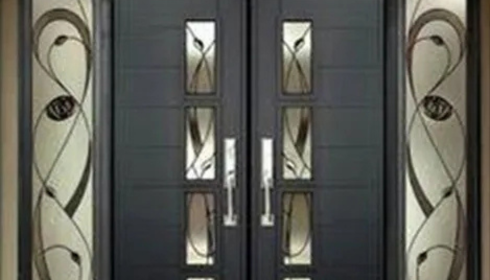
What’s interesting is how versatile they’ve become too. Traditional iron doors with decorative scrollwork still suit Mediterranean or classic homes beautifully. But newer designs are much cleaner and more contemporary — slim black frames, oversized glass panels, matte finishes, minimal hardware.
The material adapts surprisingly well.
I visited a renovated home recently where the owners replaced an outdated wooden entrance with a modern iron-and-glass door. The rest of the property stayed mostly the same, yet somehow the whole house immediately felt calmer and more refined.
That’s usually the sign of good design. It doesn’t overpower the home. It completes it.
Exterior Improvements Affect More Than Appearance
One thing homeowners often underestimate is how much exterior changes affect their relationship with the home itself.
A refreshed front entrance doesn’t only improve curb appeal for visitors or future buyers. It changes the experience of arriving home every day.
And because entrances are one of the first things people notice, they often influence perceived home value more than homeowners expect. A thoughtfully designed entryway creates the impression that the property is cared for properly.
That perception matters.
Real estate professionals talk about first impressions constantly because buyers emotionally respond to homes long before they analyze details logically. A strong entrance creates confidence almost immediately.
But even for homeowners with no plans to sell, investing in quality materials and craftsmanship often pays off emotionally. The home simply feels more finished. More welcoming.
Simplicity Is Becoming More Popular
There’s been a noticeable shift in home design lately toward simplicity and restraint.
People seem less interested in spaces that feel staged for social media and more interested in homes that feel authentic and comfortable to live in. That trend has influenced entrances too.
Instead of oversized decorative features, many homeowners now prefer cleaner lines, natural textures, and stronger architectural balance. Iron works beautifully within that approach because it naturally adds structure and depth without requiring excessive ornamentation.
A simple black iron frame paired with warm lighting and textured glass can feel incredibly elegant precisely because it doesn’t try too hard.
And honestly, those quieter designs usually age better over time.
Craftsmanship Still Matters
One reason quality entrances leave such lasting impressions is because craftsmanship shows through immediately.
A well-built front door feels different. The movement is smoother. The hardware feels solid. The materials age gracefully instead of deteriorating quickly.
People notice those things, even subconsciously.
That’s why homeowners increasingly care not only about design but also about installation quality and material durability. A beautiful entrance only stays beautiful if it performs properly year after year.
And because front doors handle constant use, weather exposure, temperature shifts, and daily wear, quality construction becomes especially important over time.
A Front Entrance Quietly Shapes Daily Life
What makes entrances special is that they exist somewhere between architecture and emotion.
They’re practical, obviously. But they’re also deeply personal spaces connected to routine and memory. The front door becomes part of ordinary life in hundreds of small ways people rarely stop to think about.
That’s why thoughtful entry design matters so much.
Not because it’s flashy. Not because it follows trends. But because it improves the experience of home itself.
The best entrances don’t necessarily demand attention from across the street. They simply feel right every time you return to them. Balanced. Comfortable. Reliable.
And maybe that’s ultimately why iron entrances continue resonating with homeowners year after year. They create a rare combination of beauty, strength, and timelessness that quietly makes a home feel more complete.
Sometimes, the smallest architectural details leave the deepest emotional impact.

