Water is one of those everyday essentials that quietly keeps a home running. It fills the kettle for morning tea, powers the washing machine, helps with dinner cleanup, and gives us a warm shower after a long day. Because it’s always there, we rarely stop to think about what’s actually flowing through the pipes.
Then the little signs begin to appear. White spots refuse to disappear from clean glasses. The showerhead starts spraying unevenly. Soap never seems to create enough lather, and towels feel stiff no matter how much fabric softener you use.
Many people simply accept these inconveniences as normal, but in many cases they’re all connected to one common issue—hard water. The good news is that once you understand what’s happening, it’s much easier to prevent long-term damage and improve the comfort of your home.
What Makes Water “Hard”?
Hard water contains naturally dissolved minerals that enter groundwater as it moves through rock and soil. The two primary minerals responsible are calcium and magnesium.
These hard water minerals are not generally considered harmful to human health. In fact, they’re naturally present in many water supplies around the world. The challenge isn’t drinking them—it’s what they leave behind after water evaporates.
Every shower, every load of laundry, and every cycle through the dishwasher leaves tiny mineral deposits behind. Individually they’re almost impossible to notice, but over months and years they slowly accumulate throughout your plumbing system.
That’s when problems begin to show.
Small Mineral Deposits Become Bigger Problems
One of the most frustrating things about hard water is how gradually it affects a home.
Nothing usually breaks overnight.
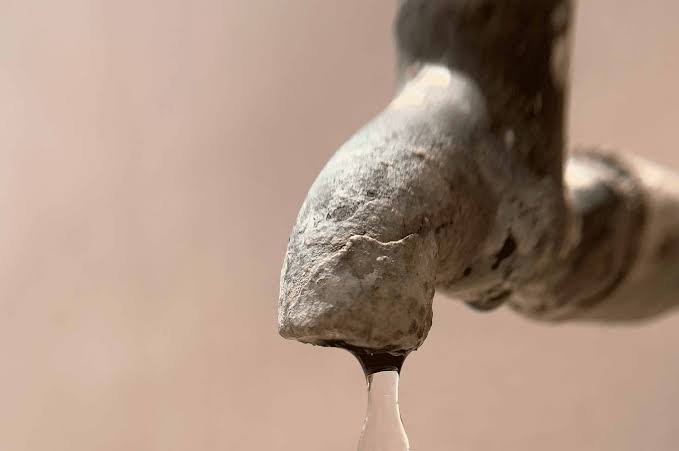
Instead, tiny mineral deposits continue collecting inside faucets, pipes, showerheads, dishwashers, washing machines, and water heaters. Over time, this scale build-up reduces water flow, lowers heating efficiency, and forces household equipment to work harder than it should.
Homeowners often notice rising utility bills without realizing that mineral accumulation is quietly reducing appliance performance.
The longer scale remains untreated, the more expensive it can become.
Your Appliances Feel the Impact Every Day
Most modern homes rely on numerous water using appliances throughout the day.
Dishwashers, washing machines, refrigerators with ice makers, coffee machines, humidifiers, and water heaters all depend on clean, consistent water flow.
When mineral deposits begin accumulating inside these appliances, efficiency gradually declines. Heating elements become insulated by scale, reducing heat transfer. Water flow slows, cleaning performance decreases, and components experience additional wear.
Eventually, repairs become more frequent, and replacement arrives sooner than expected.
Protecting appliances often begins with protecting the water flowing through them.
Hard Water Doesn’t Only Affect Equipment
While appliance damage receives plenty of attention, hard water also influences everyday comfort in surprisingly noticeable ways.
Soap and shampoo often struggle to lather properly because minerals interfere with cleaning products. Hair may feel dull after washing, while skin sometimes feels dry or tight following a shower.
Laundry can lose its softness despite using quality detergents, and freshly cleaned dishes may develop cloudy spots that seem impossible to polish away.
These aren’t major emergencies, but together they create dozens of small frustrations that become part of everyday life.
Fortunately, they don’t have to.
Water Treatment Can Make a Big Difference
One of the advantages of hard water is that it’s generally very manageable.
Modern water treatment systems reduce mineral content before water reaches the home’s plumbing, helping prevent future buildup while improving everyday water quality.
Many homeowners notice gradual improvements after installation. Glassware appears cleaner, fixtures require less scrubbing, soap performs better, and appliances begin operating more efficiently.
The changes aren’t dramatic overnight transformations.
They’re steady improvements that quietly make life easier every day.
Start with Understanding Your Water
Before purchasing any treatment equipment, understanding your water should always be the first step.
Professional testing measures hardness levels while identifying additional concerns such as sediment, chlorine, iron, pH balance, or dissolved solids.
That information helps determine whether a water softener alone is appropriate or whether additional filtration would provide greater benefits.
Guessing often leads to unnecessary expenses.
Accurate testing almost always leads to better long-term decisions.
Maintenance Helps Protect Your Investment
Installing treatment equipment isn’t the end of the process.
Like any household system, water treatment benefits from routine maintenance. Depending on the equipment, this may involve replacing filters, replenishing softener salt, or scheduling periodic inspections to ensure everything continues operating correctly.
Regular maintenance protects both the treatment system and the plumbing it’s designed to safeguard.
Fortunately, most homeowners find ongoing care relatively simple compared with dealing with appliance repairs caused by untreated hard water.
A little attention goes a long way.
Think Beyond Immediate Costs
Many homeowners compare water treatment options based only on purchase price.
However, long-term value tells a much more meaningful story.
Reducing scale buildup helps extend appliance lifespan, improves energy efficiency, lowers maintenance costs, and keeps plumbing operating more effectively.
Cleaner fixtures, softer laundry, and reduced detergent usage also contribute to ongoing savings that gradually offset the initial investment.
Sometimes the most valuable home improvements are the ones that quietly reduce future expenses rather than creating obvious visual changes.
Better Water Improves Everyday Living
Water flows through nearly every part of daily life. It prepares meals, cleans clothing, powers appliances, and supports personal comfort from morning until night.
When that water is free from excessive mineral buildup, countless household tasks become just a little easier. Appliances perform better, cleaning becomes simpler, and the home itself feels more comfortable.
These are practical improvements that continue delivering value every single day.
A Smarter Way to Protect Your Home
Hard water may be common, but living with its effects isn’t inevitable.
By understanding your home’s water quality, addressing mineral buildup before it causes expensive damage, and maintaining treatment equipment properly, you create a healthier, more efficient home that performs better year after year.
The best part is that many of these improvements happen quietly. You won’t necessarily think about them every day—but you’ll appreciate cleaner dishes, softer laundry, longer-lasting appliances, and more reliable plumbing every time you use them.
Sometimes the smartest home upgrades are the ones you hardly notice because everything simply works the way it should.
