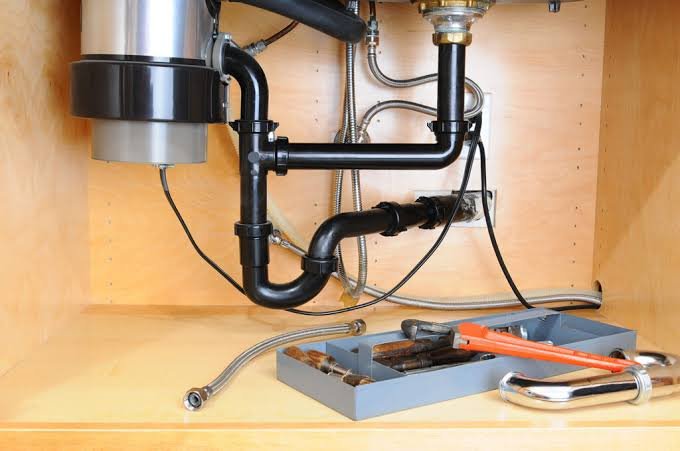
Most plumbing problems are easy to forget until they become impossible to ignore. Water flows from the tap, the kitchen sink drains, and everything seems perfectly ordinary. Then, without much warning, there’s a strange smell in the yard, water pressure drops, or the kitchen sink starts making noises that definitely weren’t part of the house when you moved in.
That’s the frustrating thing about plumbing. Much of it is hidden.
Pipes run beneath floors, behind walls, under driveways, and through parts of the property most homeowners rarely see. Because of that, problems can develop quietly. A small crack may grow. Roots may interfere with underground pipes. Old connections can wear out after years of use.
The good news is that plumbing systems often give clues when something isn’t right. Paying attention to those clues can help you deal with problems before they become more expensive, disruptive, and stressful.
When the Sewer Line Starts Causing Trouble
A single slow drain may simply have a local blockage. But when several drains begin acting strangely at the same time, the problem could be deeper in the plumbing system.
Gurgling toilets, repeated backups, unpleasant odors, and water appearing where it shouldn’t can all indicate a more serious drainage issue. In some cases, professional sewer line repair may be necessary to address damage, blockages, deteriorating pipes, or other problems affecting the main sewer connection.
Older properties can be particularly vulnerable because underground pipes may have been installed decades ago. Tree roots can also create problems by finding their way toward small openings or damaged sections of pipe.
The important thing is not to keep treating recurring backups as isolated clogs. If the same issue keeps returning, there may be a larger reason behind it.
Nobody enjoys thinking about sewer lines, which is understandable. But ignoring a persistent problem usually doesn’t make it disappear.
A Sudden Drop in Water Pressure Is Worth Investigating
Low water pressure can be one of those problems that sneaks up on you.
At first, you might assume the shower has always been a little weak. Then you notice the kitchen faucet isn’t performing normally either. Suddenly, filling a pot takes longer than it should, and the shower feels more like standing under a gentle drizzle.
There can be several reasons for reduced pressure. Mineral buildup, fixture problems, valves, or supply issues may all play a role. However, damage to a water supply line can also create serious problems.
Professional water line repair may be needed when a damaged or leaking line is affecting the home’s water supply. The exact signs can vary, but unexplained wet areas, changes in pressure, unusual water usage, or visible signs of moisture around the property should not be ignored.
A hidden water leak can continue causing damage long before it becomes obvious. That’s why sudden changes in how the plumbing behaves are worth checking rather than simply getting used to them.
The Kitchen Sink Often Has Its Own Personality
The kitchen is one of the busiest areas in most homes, and the sink usually handles more than its fair share of daily activity.
Food scraps, grease, coffee grounds, and other materials can gradually create drainage problems. The garbage disposal, when a home has one, can be helpful for dealing with appropriate food waste, but it isn’t designed to swallow everything that gets thrown into the sink.
Fibrous foods, large quantities of grease, hard objects, and unsuitable materials can cause jams or contribute to drainage issues. When the disposal starts humming without grinding, makes unusual noises, leaks, or stops working altogether, the problem may need more than a quick reset.
It can be tempting to keep pushing buttons and hoping for the best. But if something is jammed or damaged, forcing the system may make matters worse.
A little common sense goes a long way in the kitchen. Just because something fits down the drain doesn’t mean it belongs there.
Repeated Problems Usually Have a Reason
One of the biggest mistakes homeowners make is treating the same plumbing problem over and over without asking why it keeps coming back.
If a drain blocks every few months, there may be a deeper obstruction. If water pressure keeps changing, the issue may not be limited to one fixture. If unpleasant odors return after temporary cleaning, the source may be somewhere further inside the system.
Temporary fixes can be useful, but they aren’t always permanent solutions.
A professional inspection can help identify the underlying cause instead of simply addressing the visible symptom. Depending on the situation, specialized equipment may be used to inspect difficult-to-reach areas without immediately tearing into walls or digging up large sections of a property.
That can save time, money, and a whole lot of unnecessary guessing.
Know the Difference Between a Minor Problem and an Urgent One
Not every plumbing issue requires immediate action. A slowly dripping faucet or a mildly slow drain can often be scheduled for routine service.
Other situations deserve much faster attention.
Major water leaks, sewage backups, overflowing fixtures, or rapidly spreading water can cause significant damage if ignored. Every homeowner should know where the main water shutoff valve is located. It’s not exactly exciting household knowledge, but during a serious leak, it can become very important very quickly.
If it is safe to do so, shutting off the water supply can help limit damage while professional help is arranged.
Electrical safety matters as well. Never assume it is safe to enter a flooded area where electrical equipment or outlets may be involved.
A calm response can make a big difference during a stressful situation.
Simple Habits Can Protect Your Plumbing
You don’t need to inspect every pipe in the house each week to take better care of the plumbing.
Pay attention to what goes down the drains. Avoid disposing of grease and unsuitable materials through sinks. Use strainers where appropriate to catch food particles and hair. Watch for slow drainage and deal with recurring problems before they become complete blockages.
It’s also a good idea to occasionally look under sinks and around visible plumbing connections. Small leaks may show up as moisture, corrosion, staining, or damaged materials.
Outside the home, unexplained wet patches or unusually green areas can sometimes indicate that water is escaping below the surface. These signs don’t always mean there is a major broken pipe, but they are worth investigating.
Small observations can prevent much bigger surprises.
When Professional Help Makes Sense
There are plenty of small plumbing tasks that a confident homeowner can handle. Cleaning an accessible drain trap or replacing a basic fixture may be straightforward.
Underground lines are another matter.
Problems involving sewer connections, water supply lines, hidden leaks, or major blockages can require specialized tools and experience. Trying to solve a serious issue without understanding the system may create more damage and increase the eventual repair bill.
A good plumbing professional should explain what they have found and discuss the available options. You shouldn’t feel pressured into a major repair without understanding what caused the problem and why a particular solution is being recommended.
Ask questions. Understand the repair. A little information can make a stressful situation feel far more manageable.
Don’t Wait for a Small Problem to Become a Disaster
Plumbing rarely chooses a convenient time to fail. It doesn’t care whether you’re heading to work, hosting guests, or leaving for a holiday.
That’s why early attention matters.
A recurring drain issue, sudden drop in water pressure, unusual odor, or unexplained wet area may seem small today. But plumbing problems hidden beneath the surface can grow when they are left untreated.
The best approach is simple: notice changes, handle basic maintenance, and seek qualified help when the problem goes beyond an easy fix.
Most of the time, your plumbing should stay quietly out of sight and out of mind. And honestly, that’s exactly how it should be. A little care, timely repairs, and some common sense can help keep it that way.
