Most homeowners don’t think about their water every day — at least not intentionally. You turn on the tap, start the shower, run the dishwasher, and move on with life. Water just becomes part of the background, quietly supporting everything else.
But when something changes, even slightly, people notice.
Maybe your skin suddenly feels dry after showers. Maybe the coffee tastes different. Maybe the washing machine seems to leave clothes rough no matter how much detergent you use. These little annoyances don’t usually scream “water problem” right away. Honestly, most people blame weather, appliances, or cleaning products first.
Yet more often than not, the water itself is sitting quietly at the center of the issue.
Water Problems Tend to Sneak Up Slowly
That’s the strange thing about household water concerns. They rarely arrive dramatically.
Instead, they creep in gradually. Mineral stains build around faucets little by little. Shower doors stop looking fully clean no matter how often they’re wiped down. Dishwashers lose efficiency over time because minerals collect inside hidden components.
People adapt to these things surprisingly fast.
I remember visiting a relative’s home where the bathroom sink always looked slightly orange around the drain. They thought it was old plumbing for years. Later, testing revealed mineral-heavy water with elevated iron levels causing the staining the entire time.
Funny enough, the solution ended up being much simpler than the endless scrubbing they had been doing.
Hard Water Creates More Frustration Than People Expect
One of the most common issues homeowners deal with is hard water. High mineral content, especially calcium and magnesium, can affect nearly every part of a home.
Soap doesn’t lather properly. Laundry feels stiff. Water heaters become less efficient because scale builds up inside the tank over time. Even hair and skin can feel different after bathing.
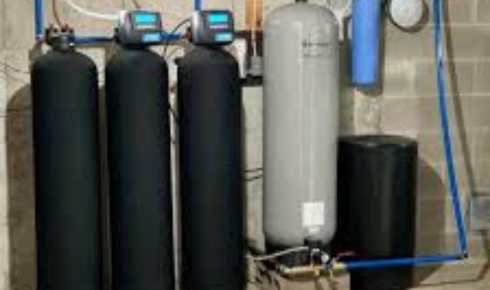
That’s where water conditioning systems often make a noticeable difference. Instead of removing every mineral completely, conditioning systems typically reduce the negative effects minerals create throughout household plumbing and appliances.
And honestly, homeowners are often surprised by how quickly the changes become noticeable.
Showers feel softer. Towels stay fluffier. Cleaning takes less effort because fixtures stop collecting stubborn buildup so quickly. These aren’t dramatic transformations, but they quietly improve daily comfort in ways people didn’t realize they were missing.
Why Water Quality Impacts More Than Drinking
People usually think about water quality only in terms of drinking water, but household water affects far more than that.
It runs through dishwashers, washing machines, refrigerators, showers, toilets, and every pipe hidden behind the walls. So when the water contains excessive minerals, sediment, chlorine, or contaminants, the impact spreads everywhere.
That’s why good plumbing installation matters more than homeowners sometimes realize.
Even the best filtration or treatment equipment can struggle if plumbing systems are poorly configured or outdated. Water pressure, pipe materials, drainage setup, and appliance connections all influence how effectively water systems perform over time.
A properly installed setup doesn’t just protect water quality — it also helps protect the plumbing infrastructure itself from long-term wear and buildup.
And honestly, preventing future headaches is often worth more than homeowners expect.
Cleaner Water Quietly Changes Daily Routines
One thing people often mention after improving their water systems is how quickly they stop thinking about water altogether.
That might sound strange, but it’s actually a good sign.
The weird odor disappears. Coffee tastes cleaner. Soap works properly again. Appliances stop collecting visible buildup so quickly. Eventually, those improvements simply become part of normal life.
A family friend installed filtration mainly because their kids hated drinking tap water. A few months later, they realized they had almost completely stopped buying bottled water without even consciously deciding to. The water simply tasted better, so everyone naturally used it more.
That’s the interesting part about good water — people don’t usually appreciate how much bad water was affecting them until things improve.
Not Every Home Needs the Same Solution
One mistake homeowners sometimes make is assuming there’s one perfect system for everyone.
There isn’t.
Some homes mainly deal with hard minerals. Others struggle with chlorine taste, sediment, sulfur smells, or aging municipal infrastructure. Homes using well water face completely different challenges compared to urban neighborhoods connected to city treatment systems.
That’s why testing matters before investing in any major water treatment setup.
Without understanding what’s actually in the water, homeowners often spend money on oversized systems that solve the wrong problem. A quality water test helps narrow things down so treatment can be tailored to the home’s actual conditions rather than generic marketing promises.
And honestly, many households only need relatively modest upgrades to notice major improvements.
Better Water Is Really About Everyday Comfort
At the end of the day, cleaner water isn’t about showing off expensive equipment in a utility room. Most homeowners aren’t chasing perfection or luxury.
They simply want a home that feels comfortable.
They want dishes that come out clean. Showers that don’t leave skin irritated. Water that tastes fresh enough to drink confidently. Appliances that last longer without constant maintenance.
And because water touches nearly every daily routine, even small improvements tend to ripple outward into the rest of home life.
That’s probably why more homeowners are paying attention to water quality now than ever before. Not because it’s trendy, but because people are realizing how much those quiet background systems shape everyday comfort without us even noticing.
Once cleaner water becomes normal, it’s surprisingly difficult to imagine going back.
