From the journal · May 28, 2026
Why Better Water at Home Feels Like a Bigger Upgrade Than You Expect
Most homeowners don’t spend much time thinking about water until it starts causing little problems that are impossible to ignore. Maybe your dishes come out cloudy from the dishwasher. Maybe the shower leaves your skin feeling dry, or your coffee tastes strangely dull no matter how good the beans are.
At first, these things seem unrelated. You blame detergent, weather, plumbing, maybe even stress. But eventually, a pattern starts forming.
Related reading: Best Movers in Ampang and Movers in Beranang: Planning a Smooth and Secure Relocation · Better Drinking Water at Home: What Purity, Taste, and Safety Really Mean
Water affects nearly every part of life at home, and when the quality isn’t quite right, those effects quietly spread into daily routines without asking permission.
That’s probably why more people are paying attention to household water now than they did even ten years ago.
Water Quality Isn’t Just About Safety
When people hear conversations about water quality, they often assume the topic is only about contamination or health warnings. But honestly, the conversation is much broader than that.
Good water changes how a home feels.
It influences cooking, laundry, showers, cleaning, hydration, and even the lifespan of appliances. The difference between average water and truly cleaner water often shows up through tiny daily experiences people barely notice until those frustrations disappear.
Tea tastes fresher. Soap rinses properly. Towels feel softer. Faucets stop collecting stubborn white residue every few days.
None of those things sound life-changing on paper. But together, they quietly improve everyday comfort in surprisingly noticeable ways.
The Slow Frustration of Hard Water
One of the most common household issues homeowners face is hard water. In many areas, groundwater naturally carries high levels of calcium and magnesium, which travel directly into household plumbing systems.
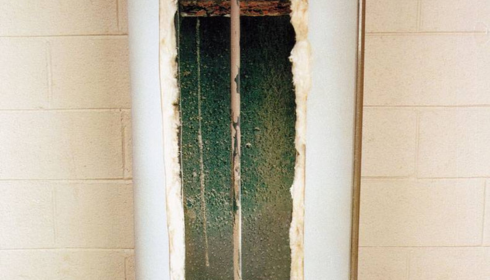
Over time, those minerals create buildup inside appliances, pipes, and fixtures. Water heaters lose efficiency. Coffee makers clog faster. Showerheads collect residue that never seems to stay clean for long.
And then there’s the personal side of it.
Hard water often leaves skin feeling dry or tight after showers. Hair may feel dull despite expensive shampoos. Soap refuses to lather correctly, which means homeowners end up using more cleaning products without realizing why.
It’s exhausting in a slow, everyday kind of way.
Why More Families Are Looking Into Water Treatment
That growing frustration is one reason homeowners increasingly explore water treatment systems instead of simply tolerating water problems for years.
Modern systems are designed to address specific household issues rather than offering generic one-size-fits-all solutions. Some focus on reducing mineral content. Others improve taste and odor. Certain systems target sediment or contaminants depending on local water conditions.
The important part is that homeowners now have practical options tailored to what their water actually needs.
And thankfully, most modern systems are much easier to maintain than older generations of equipment. Many operate quietly in the background with only occasional filter changes or servicing required.
Soft Water Changes Everyday Routines
One thing people rarely expect after improving their water is how quickly ordinary routines start feeling easier.
Laundry becomes softer without using extra products. Showers feel smoother somehow. Cleaning the bathroom takes less effort because residue doesn’t build up nearly as aggressively. Even dishwashing becomes less frustrating.
That’s where soft water solutions become especially appealing for households dealing with mineral-heavy water supplies.
And honestly, the emotional side of it matters too.
There’s something satisfying about a home simply functioning the way it’s supposed to. No constant scrubbing. No wondering why towels feel rough or appliances seem to age too quickly. Better water removes dozens of tiny frustrations homeowners didn’t fully realize were connected.
Every Region Has Different Water Challenges
One important thing homeowners eventually discover is that water problems vary dramatically depending on location.
A rural home using well water faces completely different challenges than an apartment connected to municipal infrastructure. Some areas struggle with heavy chlorine taste, while others battle mineral-heavy groundwater or sediment issues from aging pipes.
That’s why testing water before choosing a treatment system usually makes far more sense than buying random equipment based on online reviews alone.
The smartest setups are built around actual water conditions, not marketing promises.
Better Water Quietly Improves the Entire House
People often expect dramatic transformations after installing water treatment systems, but the benefits usually arrive more quietly than that.
You stop noticing residue around faucets. Coffee tastes better in the morning. Laundry feels softer. Guests stop reaching for bottled water because the tap actually tastes fresh.
And maybe the biggest change is what disappears.
The constant low-level annoyance fades away.
You stop fighting with soap scum. Stop replacing appliances as frequently. Stop buying endless cleaning products trying to solve problems that really began with the water itself.
Water Quality Affects More Than Plumbing
It’s easy to think of water treatment as purely technical — pipes, filters, minerals, machinery. But water has a surprisingly emotional connection to home life too.
It’s part of morning routines. Family dinners. Long showers after stressful days. The simple comfort of filling a glass at night without questioning how it will taste.
When water quality improves, all of those moments improve a little too.
And honestly, those quiet improvements tend to matter more over time than flashy home upgrades people show off on social media.
A Better Home Often Starts With Better Water
At the end of the day, homeowners usually aren’t chasing perfection. They simply want a house that feels comfortable, reliable, and easier to maintain.
Good water supports all of that in ways people often underestimate.
Because water touches nearly every room, every routine, and every day inside a home. When the quality improves, the effects ripple outward quietly — through appliances, cleaning, cooking, comfort, and daily living itself.
And maybe that’s why better water ends up feeling like such a meaningful upgrade. Not because it’s dramatic, but because it improves life in dozens of small ways people experience constantly without needing to think about it anymore.