From the journal · May 23, 2026
Why Better Water Quietly Changes Everyday Life at Home
Most people don’t think much about their water until it starts causing problems. A strange taste in the kitchen sink. Dry skin after showers. Cloudy dishes that somehow never look fully clean, no matter how carefully they’re washed. Sometimes it’s just a feeling that something seems slightly “off,” even if you can’t immediately explain why.
And honestly, that’s how water issues usually begin — quietly.
Related reading: Best Movers in Ampang and Movers in Beranang: Planning a Smooth and Secure Relocation · Better Drinking Water at Home: What Purity, Taste, and Safety Really Mean
Water is one of those things woven into nearly every routine without us noticing it. Morning coffee, cooking dinner, washing laundry, filling reusable bottles before leaving the house — it’s constantly there in the background. So when the quality changes, even in subtle ways, the entire home can start feeling less comfortable.
That’s probably why more homeowners are paying closer attention to water quality now than they did years ago.
Water Problems Don’t Always Look Serious at First
One of the trickiest things about household water issues is how gradually they develop. Mineral buildup appears slowly around faucets. Appliances lose efficiency over time. Water heaters collect scale inside the tank without anyone noticing until energy bills start climbing.
Sometimes the signs are personal rather than mechanical.
Hair feels dull after washing. Towels become rougher after laundry day. Soap doesn’t rinse cleanly. Glassware develops cloudy spots that seem impossible to remove completely.
At first, people often blame the detergent, the dishwasher, or the plumbing fixtures themselves. But eventually they realize the water running through the house might actually be the root cause.
That realization usually leads homeowners toward researching solutions for long-term water quality improvement instead of temporary fixes.
Better Water Impacts More Than Drinking
Most conversations about water focus heavily on what comes out of the kitchen tap, which makes sense. But water quality affects far more than drinking alone.
Hard minerals can shorten the lifespan of appliances. Sediment may clog fixtures. Chlorine-heavy water sometimes affects skin and hair. Even laundry detergents behave differently depending on mineral content.
Then there’s the cleaning side of things.
People are often surprised how much easier sinks, showers, and dishes become to maintain once water conditions improve. Less residue builds up. Soap works better. Appliances operate more efficiently.
None of these things sound dramatic individually. But together, they change how a home feels day to day.
Drinking Water Has Become More Important to Families
Over the last several years, homeowners have become far more conscious about the quality of the water they drink daily. Part of that comes from environmental concerns around bottled water waste. Part comes from simple convenience.
People want water at home that tastes clean without needing to constantly buy plastic bottles from the store.
That’s one reason drinking water systems have become increasingly popular in kitchens across different types of homes. Whether it’s reverse osmosis filtration, under-sink purification, or advanced carbon filtering, homeowners are looking for reliable ways to improve taste and reduce unwanted contaminants directly at the tap.
And honestly, once families get used to cleaner-tasting water at home, they notice the difference immediately elsewhere. Coffee tastes smoother. Ice cubes stop carrying strange odors. Even cooking feels slightly better somehow.
Not Every Home Needs the Same Solution
One important thing homeowners eventually learn is that water problems aren’t universal. Two homes in the same town can experience completely different issues depending on plumbing age, water source, regional minerals, or municipal treatment methods.
Some houses struggle mainly with hardness and scale buildup. Others deal with chlorine taste, sulfur odors, sediment, or iron staining.
That’s why testing matters before investing in treatment systems.
Without understanding what’s actually happening in the water supply, people sometimes spend money on equipment they don’t really need — or systems that don’t solve the actual issue. Good water treatment begins with information, not guesswork.
Homeowners Want Reliability, Not Complexity
Most people aren’t looking to become water experts. They simply want reliable systems that quietly improve everyday living without creating new maintenance headaches.
That’s where companies like EcoWater Systems have become well known among homeowners searching for dependable long-term solutions. Many families appreciate systems designed not only to improve water quality, but also to operate consistently without demanding constant attention.
Because honestly, the best home systems are usually the ones people barely think about once they’re working properly.
No strange tastes. No constant scrubbing around faucets. No uncertainty about the water filling your glass every morning.
Just consistency.
Water Quality Affects the Feeling of a Home
What’s interesting about improving water quality is that the benefits rarely feel flashy or dramatic. Instead, they feel relieving.
Showers become more refreshing. Laundry feels softer. Appliances seem to work better. Cleaning routines take less effort. Drinking more water becomes easier because it simply tastes better.
These aren’t life-changing moments in the dramatic sense. But they quietly improve daily comfort in ways homeowners notice constantly over time.
And because water touches so many parts of everyday life, those small improvements ripple throughout the entire house.
Sometimes the Best Home Improvements Are Invisible
Not every meaningful upgrade involves remodeling a kitchen or building a new patio. Sometimes the most valuable improvements are the ones quietly supporting daily life behind the scenes.
Better water falls into that category.
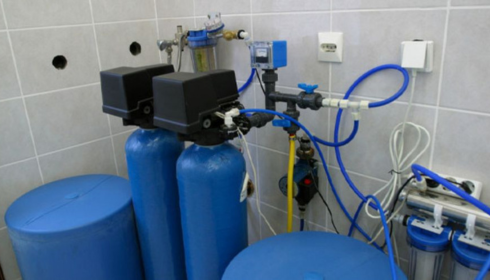
You may not show guests your filtration system or softener setup proudly during a tour of the house. But you’ll notice the difference while cooking dinner, taking a shower, making coffee, or loading the dishwasher.
And honestly, that ongoing comfort matters more than many flashy upgrades people spend thousands chasing.
Because at the end of the day, a healthier, more comfortable home often comes down to the invisible systems working quietly in the background — especially the water flowing through it every single day.