From the journal · May 29, 2026
Why More Homeowners Are Rethinking the Way They Heat and Cool Their Homes
There’s a certain frustration that comes with living in a house where comfort feels inconsistent. One room is freezing, another somehow traps heat all afternoon, and no thermostat setting ever seems quite right. Most people just adapt to it over time. They use extra fans, close vents, or avoid certain rooms altogether during extreme weather.
But eventually, those little annoyances start affecting daily life more than expected.
Related reading: Best Movers in Ampang and Movers in Beranang: Planning a Smooth and Secure Relocation · Better Drinking Water at Home: What Purity, Taste, and Safety Really Mean
I remember visiting a friend who had converted part of his basement into a small music studio. Great setup, except the room always felt uncomfortable. Summer made it humid and stuffy, winter turned it icy cold. The main HVAC system barely reached the space no matter what adjustments he made.
A year later, he installed a ductless system specifically for that room. Suddenly the space felt balanced, usable, and honestly far more enjoyable to spend time in. It completely changed how often he used it.
That’s the thing about indoor comfort. When it improves, people usually notice immediately.
Homes Don’t Function the Way They Used To
Modern living has changed how people use their homes. Spare bedrooms become offices. Garages become gyms. Basements turn into entertainment rooms or guest suites. Families spend most of their time in a handful of spaces while other areas stay empty for hours.
Traditional central HVAC systems weren’t always designed with that flexibility in mind.
That’s one reason ductless HVAC systems have become much more popular in recent years. Instead of forcing homeowners to heat or cool the entire house equally, these systems allow for more targeted comfort based on how spaces are actually being used.
And honestly, that makes practical sense now.
Why spend extra money trying to maintain the same temperature throughout every corner of the house when daily life naturally revolves around specific rooms?
Personalized Comfort Feels Different
One thing homeowners often notice after installing ductless systems is how much easier temperature management becomes.
With traditional systems, there’s usually one thermostat trying to control everything. The result? Someone always feels uncomfortable. One person complains it’s too cold while another opens windows because they’re too warm.
Targeted room control changes that dynamic completely.
Spaces with unique temperature challenges — upstairs bedrooms, sunrooms, garages, additions — suddenly become comfortable year-round instead of seasonal problem areas. You stop adjusting vents constantly or dragging portable heaters around the house trying to compensate for uneven airflow.
And honestly, people underestimate how much those daily little frustrations affect their routines until they disappear.
The Technology Is Simpler Than People Expect
A lot of homeowners still imagine ductless systems as bulky or outdated because they remember old wall-mounted units from decades ago. Modern systems operate very differently.
Most setups include sleek indoor air-handling units mounted discreetly on walls or ceilings, designed to quietly regulate airflow and temperature within individual rooms. They’re far quieter and more efficient than many people expect.
I remember hearing someone say, “I thought I’d constantly notice it on the wall, but after a week I forgot it was even there.”
That’s actually a pretty common reaction. Once the comfort stabilizes, the system fades into the background where it belongs.
And compared to noisy portable units or window AC systems, the difference feels huge.
Installation Is Less Invasive Than Traditional HVAC Work
One reason many homeowners avoid fixing uncomfortable rooms is the fear of complicated construction projects. Tearing into walls, adding ductwork, weeks of disruption — it all sounds exhausting.
That’s another area where ductless systems stand out. Since they don’t require large duct networks throughout the house, installation is often far more manageable than people assume.
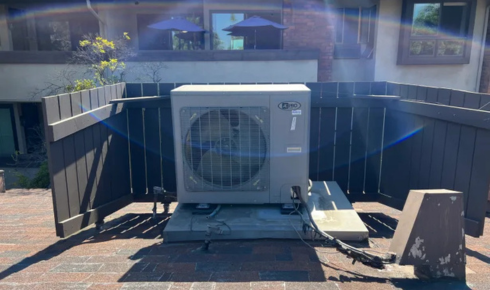
Typically, the indoor system connects to an outdoor compressor unit through a relatively small opening rather than extensive structural changes. That simplicity makes these systems especially appealing for older homes, additions, and converted spaces where traditional duct expansion would become expensive or impractical.
And honestly, convenience matters. Homeowners are far more likely to improve comfort when the process feels approachable instead of overwhelming.
Energy Efficiency Matters More Than Ever
Energy costs have changed the way people think about heating and cooling systems lately. Homeowners still care about comfort first, obviously, but they also want systems that operate more intelligently.
Traditional central systems often waste energy heating or cooling rooms nobody is using. Ductless systems allow people to focus comfort where it’s actually needed instead.
That targeted approach often reduces energy consumption while improving comfort at the same time.
And beyond cost savings, many homeowners simply appreciate how steady the environment feels afterward. Better airflow, quieter operation, improved humidity control — those details make homes feel calmer somehow.
Less mechanical struggle. More balance.
Homes Change Over Time
One thing people eventually realize is that houses evolve along with the people living inside them. Kids grow older. Work situations change. Spare rooms take on entirely new purposes.
The heating and cooling setup that worked perfectly ten years ago may not fit current routines anymore.
That doesn’t necessarily mean homeowners need a complete HVAC overhaul. Sometimes flexible solutions simply help homes adapt more naturally to modern living patterns.
And honestly, that flexibility feels valuable now in a way it maybe didn’t years ago.
Comfort Should Feel Effortless
At the end of the day, the best heating and cooling systems are usually the ones people stop noticing entirely. Rooms stay comfortable without constant thermostat adjustments. Air feels balanced. Spaces become easier to enjoy throughout the year.
That’s really what people want from their homes — not perfect temperatures or flashy equipment, but environments that quietly support everyday life without creating extra stress.
And maybe that’s why ductless systems resonate with so many homeowners now. They solve practical comfort problems in a way that feels adaptable, efficient, and surprisingly natural for how modern homes are actually used today.