

Most appliances don’t suddenly stop working out of nowhere. There’s usually a period before the actual breakdown happens — a stage where things feel slightly “off,” but not serious enough to deal with immediately. And honestly, that’s where a lot of homeowners get caught.
The refrigerator starts making a strange hum. The ice machine slows down a little. Maybe there’s a tiny puddle near the dishwasher that only appears occasionally. Life gets busy, people adapt around the inconvenience, and the appliance keeps limping along quietly until one day it doesn’t anymore.
That’s usually when the repair becomes more stressful, more expensive, and far more urgent than it needed to be.
Appliances Rarely Break Without Warning
One thing experienced technicians notice constantly is how often customers describe symptoms that started weeks earlier. Sometimes months.
Appliances almost always try to compensate for problems before complete failure happens. A cooling system works overtime to maintain temperature. Motors strain harder to keep performance consistent. Electrical systems push through instability longer than they should.
The machine keeps functioning, but underneath, parts are wearing down faster than normal.
That’s why paying attention to subtle changes matters more than people think. Small warning signs are often the appliance’s way of saying something isn’t operating efficiently anymore.
And honestly, homeowners usually sense this instinctively. They just hope it isn’t serious.
Water Around Appliances Is Never “Normal”
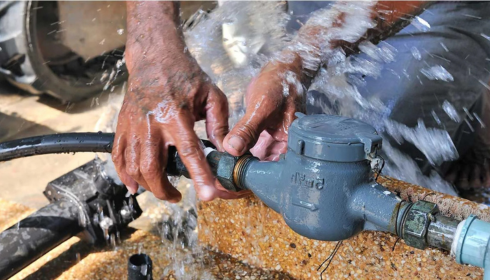
A little moisture near an appliance doesn’t always seem alarming at first. People wipe it up and assume someone spilled something earlier. But recurring Water Leaks are one of the clearest signs that something deserves immediate attention.
Leaks can come from damaged hoses, loose connections, clogged drains, cracked seals, or failing internal components. The tricky part is that the visible water often represents only part of the actual problem.
Moisture spreads quietly underneath flooring, cabinetry, and surrounding materials. By the time homeowners notice visible damage, water may have been collecting for weeks behind the scenes.
And honestly, water damage repairs tend to become expensive surprisingly fast.
What makes appliance leaks frustrating is how small they often begin. Just a little puddle here and there. Easy to ignore until suddenly the flooring starts warping or mold becomes part of the conversation nobody wanted to have.
Modern Appliances Depend on Multiple Systems Working Together
People sometimes think appliances are simpler than they actually are. Especially things like refrigerators, dishwashers, or ice machines. From the outside, they seem straightforward.
But internally, today’s appliances rely on multiple interconnected systems operating together constantly.
Sensors monitor temperatures. Motors regulate movement. Electronic boards coordinate cycles. Pumps manage water flow. Fans maintain airflow. When one component begins struggling, the entire appliance often compensates temporarily until the imbalance grows too large.
That’s why proper diagnosis matters so much.
Good technicians focus on identifying root causes instead of simply treating visible symptoms. Effective Component Repairs require understanding how all those systems interact rather than replacing random parts hoping something works.
And honestly, homeowners usually notice immediately when someone genuinely understands appliance systems instead of rushing through guesswork.
Small Performance Changes Matter More Than People Realize
One of the easiest appliance problems to overlook is gradual performance decline.
Maybe the freezer still works, but food doesn’t freeze quite as firmly anymore. Perhaps the ice maker still produces ice, just slower than before. These changes happen gradually enough that households often adjust without fully realizing how abnormal things have become.
People buy extra bags of ice. They reorganize food storage differently. They run extra dryer cycles. Life adapts around the inconvenience for a while.
But appliance performance rarely improves on its own.
A machine struggling to maintain a steady supply of cooling, water flow, or operational consistency is usually operating under strain somewhere internally. And prolonged strain almost always creates larger repair needs later.
That’s why early intervention matters. Smaller repairs often prevent major failures entirely if handled before surrounding components begin wearing down too.
Maintenance Isn’t Exciting — But It Helps
Nobody enjoys appliance maintenance. It’s one of those household responsibilities that sits quietly on the to-do list until something breaks.
Still, preventative care genuinely extends appliance lifespan.
Cleaning condenser coils improves efficiency. Checking hoses helps prevent leaks. Replacing water filters maintains proper flow and performance. Even simple habits like keeping vents unobstructed reduce unnecessary strain on appliance systems over time.
These tasks don’t feel important during busy weeks because appliances usually continue functioning regardless.
Until eventually they don’t.
And honestly, preventative maintenance costs almost always feel smaller than emergency replacements later on.
Fast Repairs Often Save More Money
One mistake homeowners commonly make is waiting too long before scheduling repairs because the appliance still “mostly works.” That hesitation makes sense emotionally — nobody wants unexpected repair bills.
But delays often increase costs instead of reducing them.
A struggling fan motor eventually affects compressors. Minor leaks damage surrounding materials. Blocked airflow forces systems to work harder continuously. Small problems quietly create secondary damage over time.
That’s why technicians often encourage early inspections even when symptoms seem minor initially.
Quick repairs don’t just restore convenience faster. They often prevent additional failures from spreading deeper into the appliance.
Customer Experience Still Matters
People remember repair experiences for reasons beyond whether the appliance got fixed properly.
Did the company communicate clearly? Were costs explained honestly? Did the technician seem rushed or patient? Those details matter because appliance problems already create stress inside households before the appointment even begins.
Good repair professionals understand this.
They explain issues calmly. They avoid unnecessary technical jargon. They focus on helping homeowners understand what’s happening instead of overwhelming them with confusion.
And honestly, professionalism stands out more now because so many customer service experiences elsewhere feel rushed or impersonal.
Final Thoughts
Appliances quietly support everyday life until small issues begin disrupting routines in ways homeowners can’t ignore anymore. Leaks, reduced performance, and unusual behavior often start subtly before turning into much larger problems later.
Paying attention early genuinely helps.
Because while appliances may seem ordinary most days, the convenience and stability they provide become incredibly noticeable the moment something stops working properly.

