From the journal · May 23, 2026
Why the Best Commercial Spaces Usually Start With Better Planning
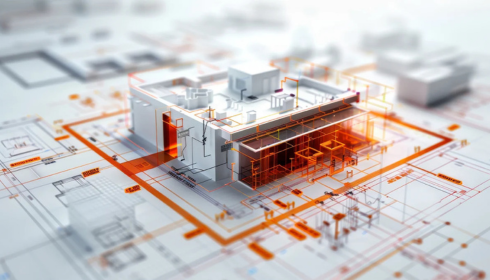
Walk into any modern office, restaurant, retail store, or warehouse and most things probably feel effortless. The lights work exactly where they should. Equipment powers up without problems. Internet systems stay stable. Employees move through the space naturally without tripping over cables or searching endlessly for outlets.
What’s interesting is that most people barely notice these things when they’re working properly.
Related reading: Best Movers in Ampang and Movers in Beranang: Planning a Smooth and Secure Relocation · Better Drinking Water at Home: What Purity, Taste, and Safety Really Mean
But behind that smooth experience is usually a surprising amount of planning happening long before the building ever opens its doors.
And honestly, good infrastructure design often matters more than the finishes people see first.
Buildings Are Expected to Do More Than Ever
Commercial spaces today carry far heavier demands than they did even fifteen or twenty years ago.
Businesses rely on cloud-based software, charging stations, climate control systems, security infrastructure, servers, digital payment platforms, automated equipment, and countless connected devices running all day long. Even smaller companies now depend on reliable power and efficient layouts in ways older buildings were never designed to support.
That growing complexity has made thoughtful infrastructure planning much more important than many people realise.
The tricky thing is, when systems are working properly, they fade completely into the background. Nobody walks into an office complimenting the power distribution or admiring cable routing. People simply expect everything to function smoothly without interruptions.
And that expectation puts a lot of pressure on the decisions made during construction.
Small Decisions Shape Everyday Experience
One thing experienced builders understand well is that the smallest details often affect how comfortable a building feels later.
Outlet placement sounds minor until staff members begin using extension leads everywhere because nothing was positioned conveniently. Lighting layout seems simple until glare affects productivity daily. Equipment locations feel obvious until power demands start overloading one section of the building unexpectedly.
That’s why a smart electrical layout matters so much from the beginning.
Electrical systems aren’t just technical infrastructure hidden inside walls. They directly shape how people interact with a space every single day.
I once spoke with a café owner who regretted not adding additional outlets during construction because staff constantly struggled with awkward equipment setups behind the counter later. It sounded like a tiny issue at first, but small frustrations repeated every day eventually become bigger operational headaches.
And those are the kinds of problems that are much easier to prevent early than fix later.
Planning Is Really About Preventing Future Problems
A lot of construction work comes down to anticipation.
Experienced project teams spend enormous amounts of time thinking about situations that haven’t happened yet. Future expansion. Additional equipment. Higher occupancy. Technology changes. Maintenance access. Energy usage. Safety compliance.
Good system planning isn’t really about solving current needs alone. It’s about creating flexibility for future demands that may not even exist yet.
Businesses evolve constantly. What feels perfectly adequate during opening week may become restrictive a few years later as operations grow or technology changes.
That’s especially true in commercial environments where electrical demand increases quickly over time. More computers get added. Extra lighting appears. Machinery changes. Workspaces expand. Suddenly, systems originally installed without flexibility begin struggling under heavier loads.
And honestly, retrofitting occupied buildings is rarely cheap or convenient.
Construction Is More Collaborative Than Most People Think
People sometimes imagine construction as a straightforward process — builders arrive, work gets completed, and eventually the building opens.
In reality, successful projects involve enormous coordination between designers, electricians, engineers, suppliers, inspectors, and contractors all trying to keep dozens of moving parts aligned simultaneously.
Timing matters constantly.
If one stage gets delayed, it can affect multiple teams afterward. If systems aren’t coordinated properly, later adjustments become expensive very quickly. That’s why communication during planning phases is often just as important as the physical work itself.
I’ve heard project managers describe commercial construction as “problem solving in advance.” That feels surprisingly accurate.
The goal isn’t simply finishing the building. It’s making sure the finished space actually works smoothly for the people who will eventually use it every day.
Energy Efficiency Is Changing Construction Priorities
One noticeable shift in recent years is how seriously businesses now take long-term operating costs.
Energy efficiency used to feel like an optional bonus feature for premium developments. Now it’s becoming standard thinking across many commercial projects.
Modern buildings increasingly include LED lighting systems, automated controls, improved load balancing, and smarter infrastructure designed to reduce unnecessary energy waste over time.
And interestingly, efficient systems often feel more reliable too.
Balanced electrical loads reduce strain on equipment. Better layouts simplify maintenance. Updated systems handle modern technology more comfortably overall.
That combination matters because businesses don’t just want buildings that look good on opening day. They want spaces capable of functioning smoothly for years without constant infrastructure problems disrupting operations.
The Best Buildings Feel Natural to Use
There’s something quietly impressive about spaces where everything simply feels easy.
The lighting feels comfortable without being distracting. Equipment works consistently. Staff move naturally through the environment. Customers rarely encounter technical frustrations. Nothing constantly draws attention to itself in negative ways.
Most people inside the building won’t consciously think about why the space functions so well.
And honestly, that’s probably the clearest sign the planning was done properly.
Good infrastructure doesn’t usually demand attention afterward. Instead, it quietly supports everyday life in the background while people focus entirely on their work, conversations, customers, and routines.
Which, in the end, is probably exactly what great commercial design is supposed to do.